Filter by jurisdictions
- Asia Pacific 19
- Australia 3
- Brazil 1
- California 3
- China 1
- Denmark 1
- Draft proposal 25
- EU 7
- Europe 11
- Final rules 24
- France 1
- India 1
- Indonesia 1
- Japan 2
- Latin America 3
- Minnesota 2
- New Jersey 2
- New Mexico 1
- New York 3
- New Zealand 1
- North America 1
- Oceania 4
- Peru 2
- Philippines 4
- Singapore 1
- South Korea 1
- Southeast Asia 9
- Taiwan 2
- UK 3
- US federal 2
- US states 13
- Ukraine 1
- United States 15
- Vietnam 3
- Virginia 1
- Washington D.C. 1
- Washington state 1
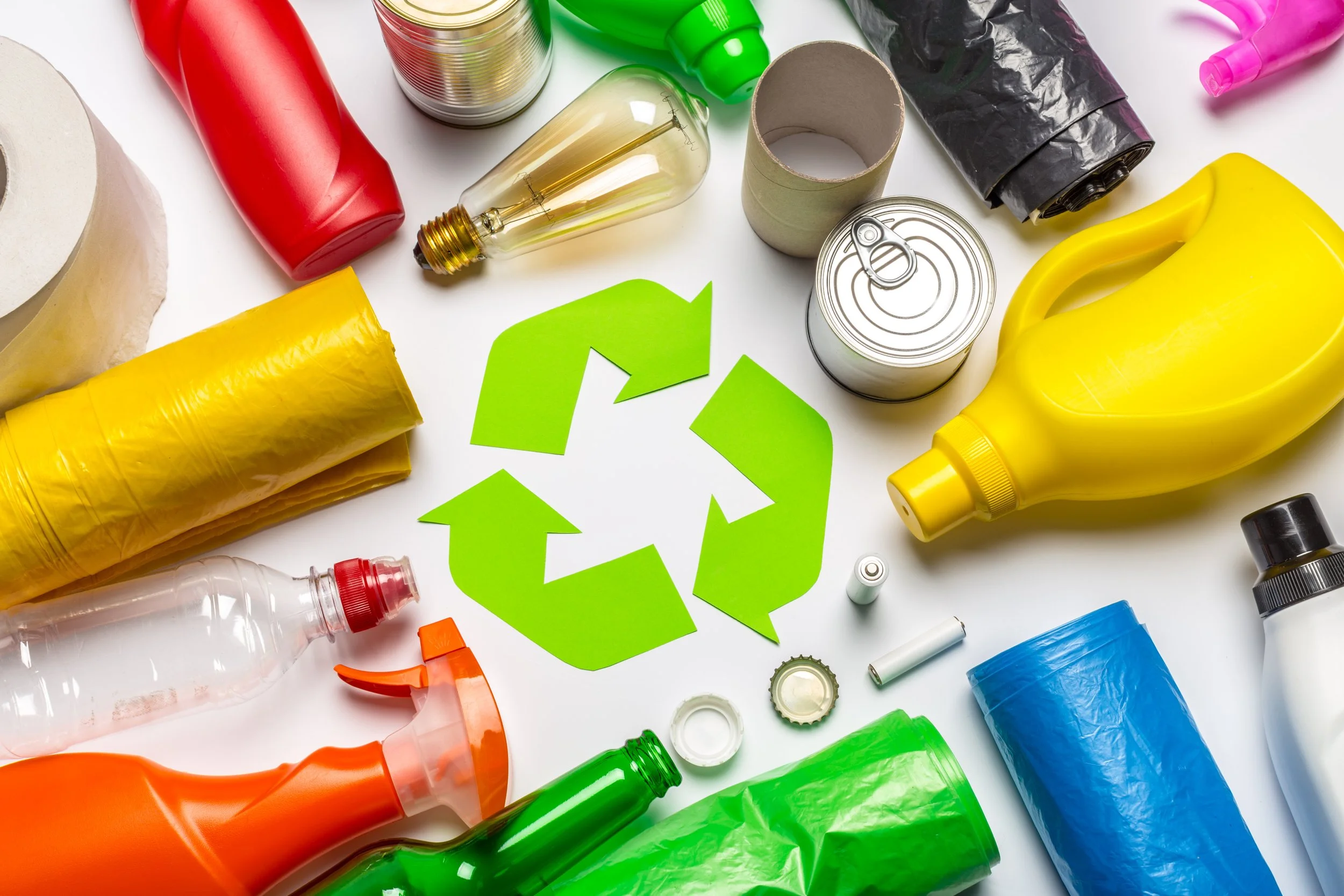
Philippines introduces bill mandating recycling label
Philippines House Bill No. 9281 would require recycling labels, material disclosures, disposal instructions, and substantiated packaging claims.
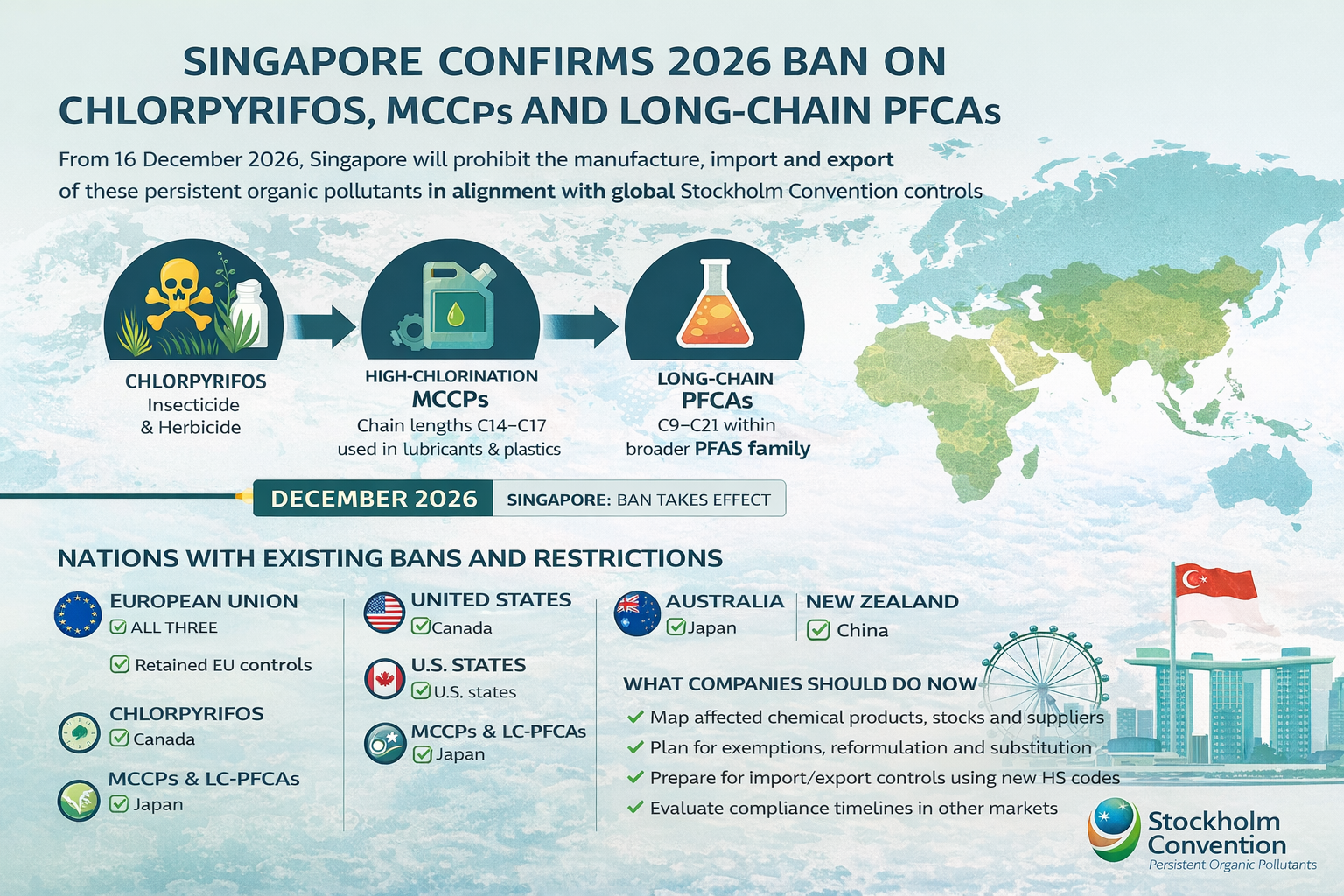
Singapore confirms 2026 ban on Chlorpyrifos, MCCPs and LC -PFCAs under Stockholm Convention
Singapore will ban chlorpyrifos, MCCPs and LC-PFCAs from December 2026, aligning with global Stockholm Convention controls.
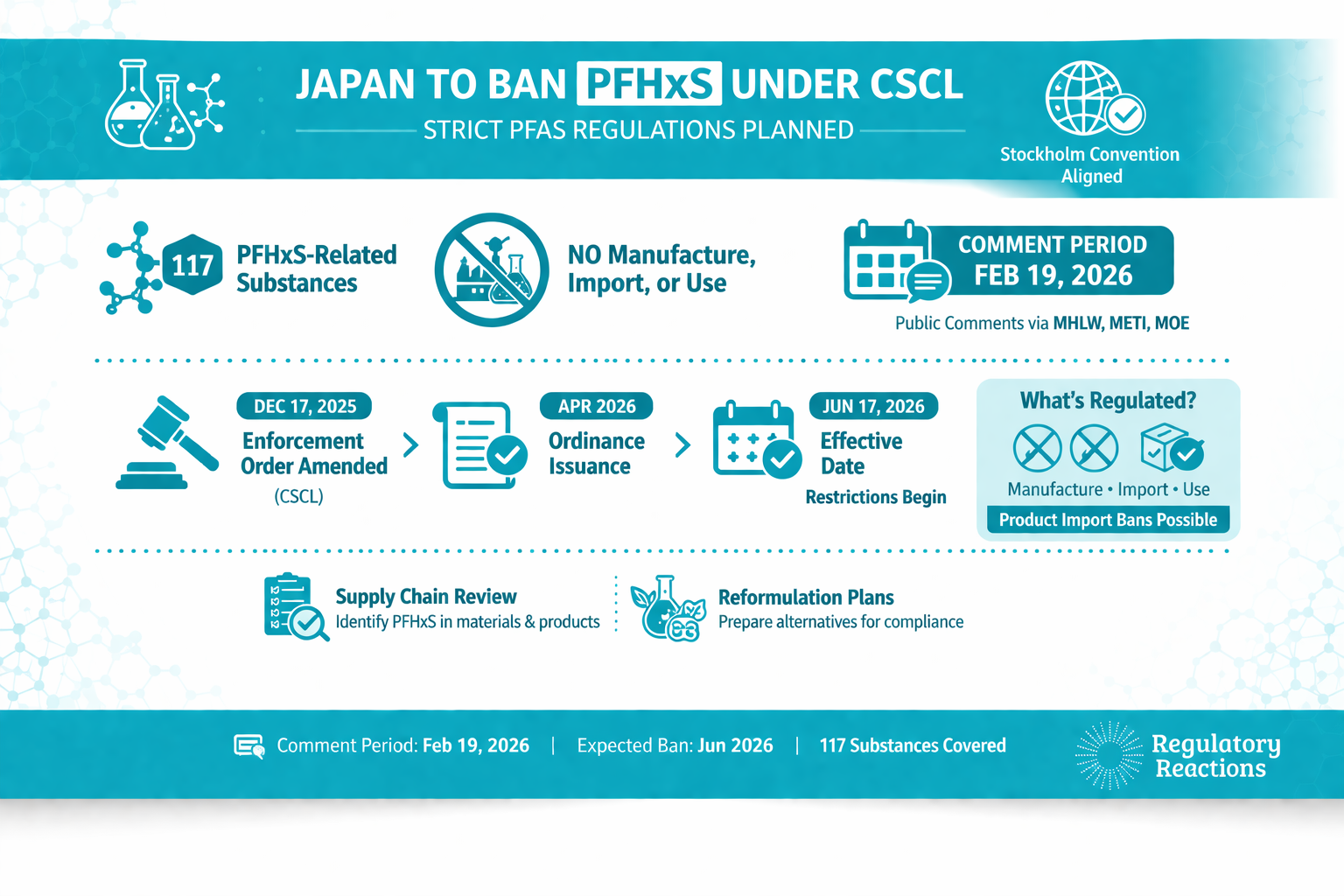
Japan seeks to restrict 117 PFHxS substances under Chemical Substances Control Law
Japan proposes PFHxS ban under CSCL, covering 117 substances, with restrictions on manufacture, import, and use starting June 2026.
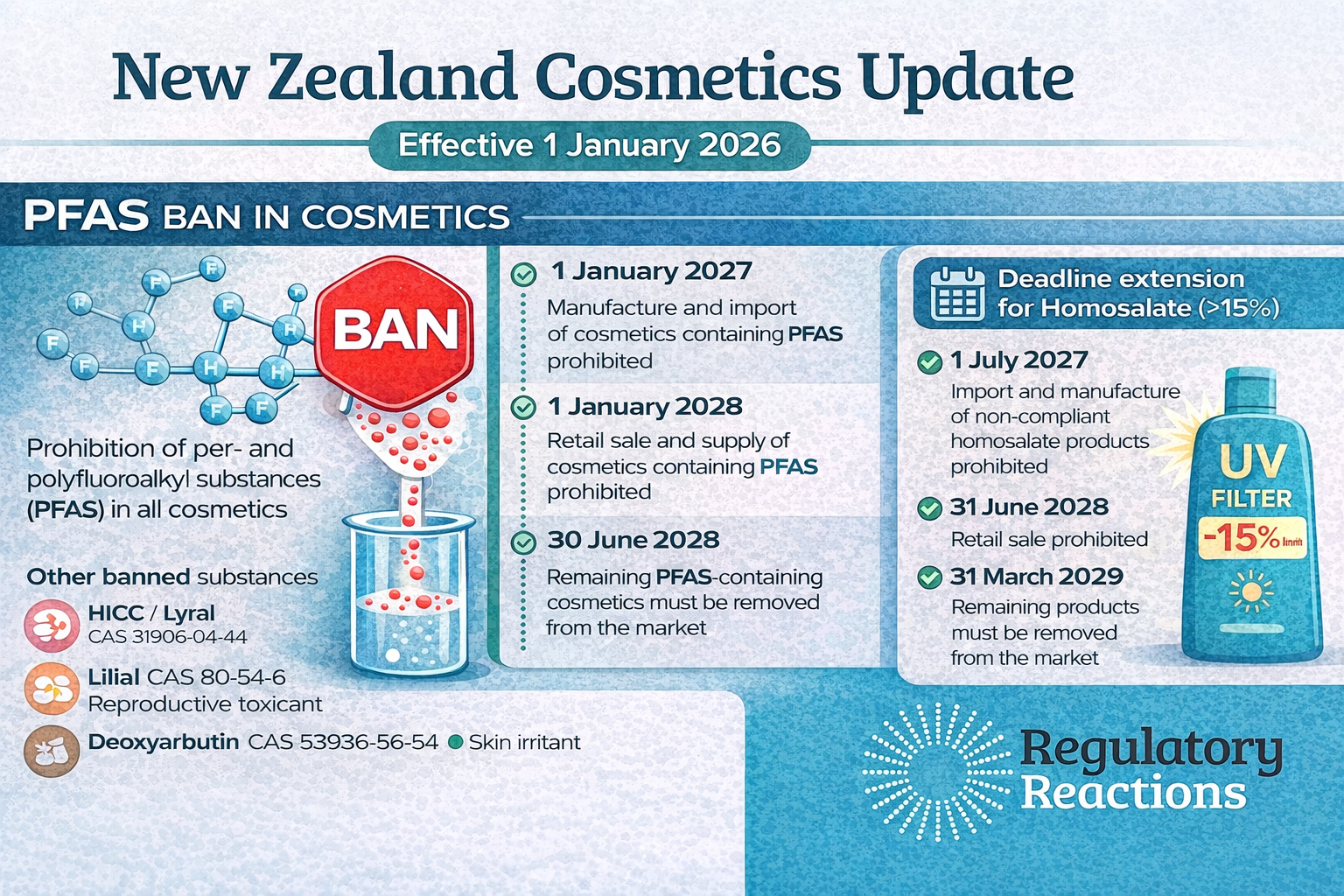
New Zealand phases out PFAS and imposes restrictions on additional chemicals in cosmetic products
New Zealand cosmetics rule revisions took effect 1 January 2026, banning PFAS, lilial, and deoxyarbutin in cosmetics.
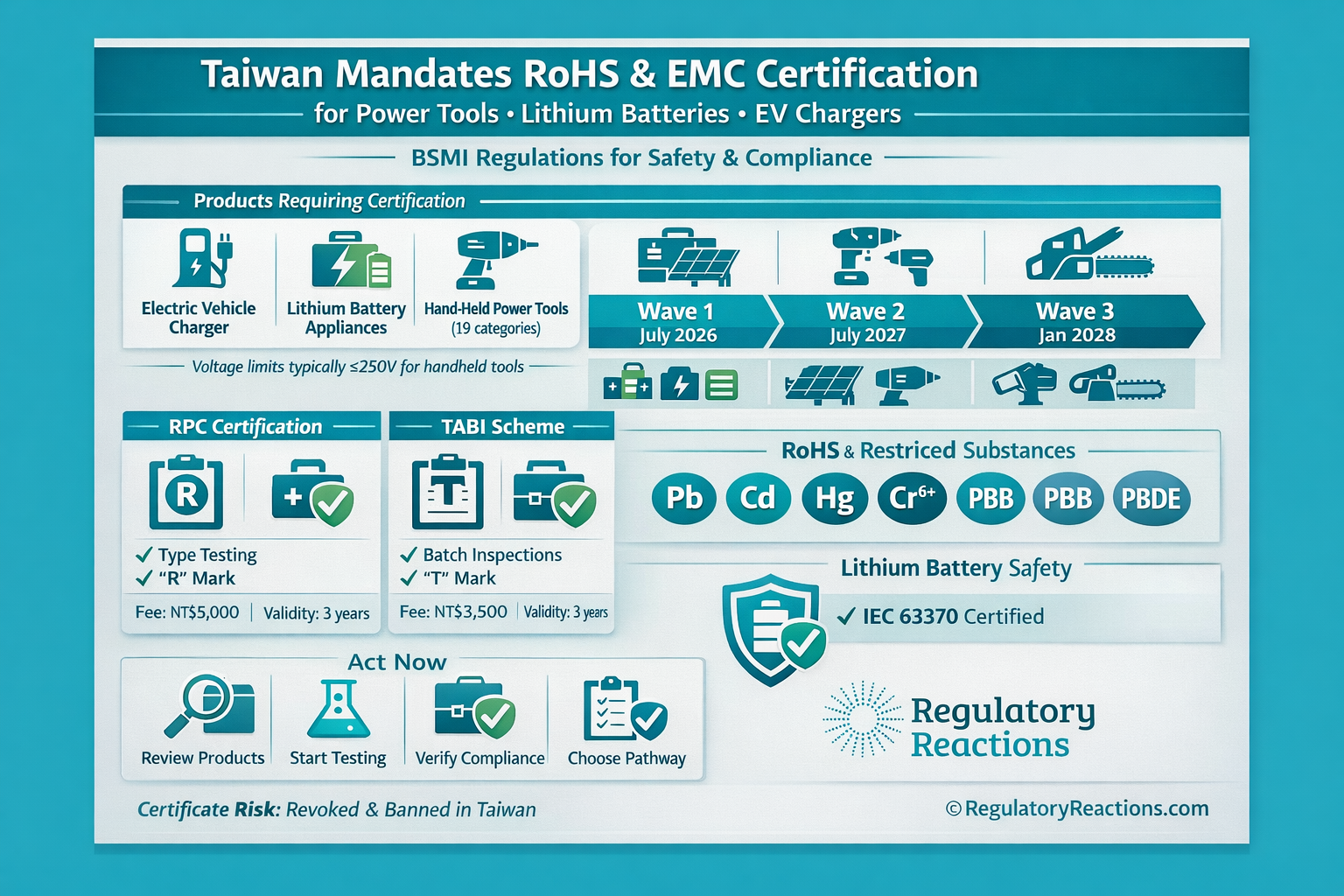
Taiwan requires mandatory ROHS and EMC certification for electric handheld power tools, lithium batteries, and EV chargers
Taiwan requires mandatory EMC and ROHS certification and inspection for handheld power tools. Compliance deadlines commence on
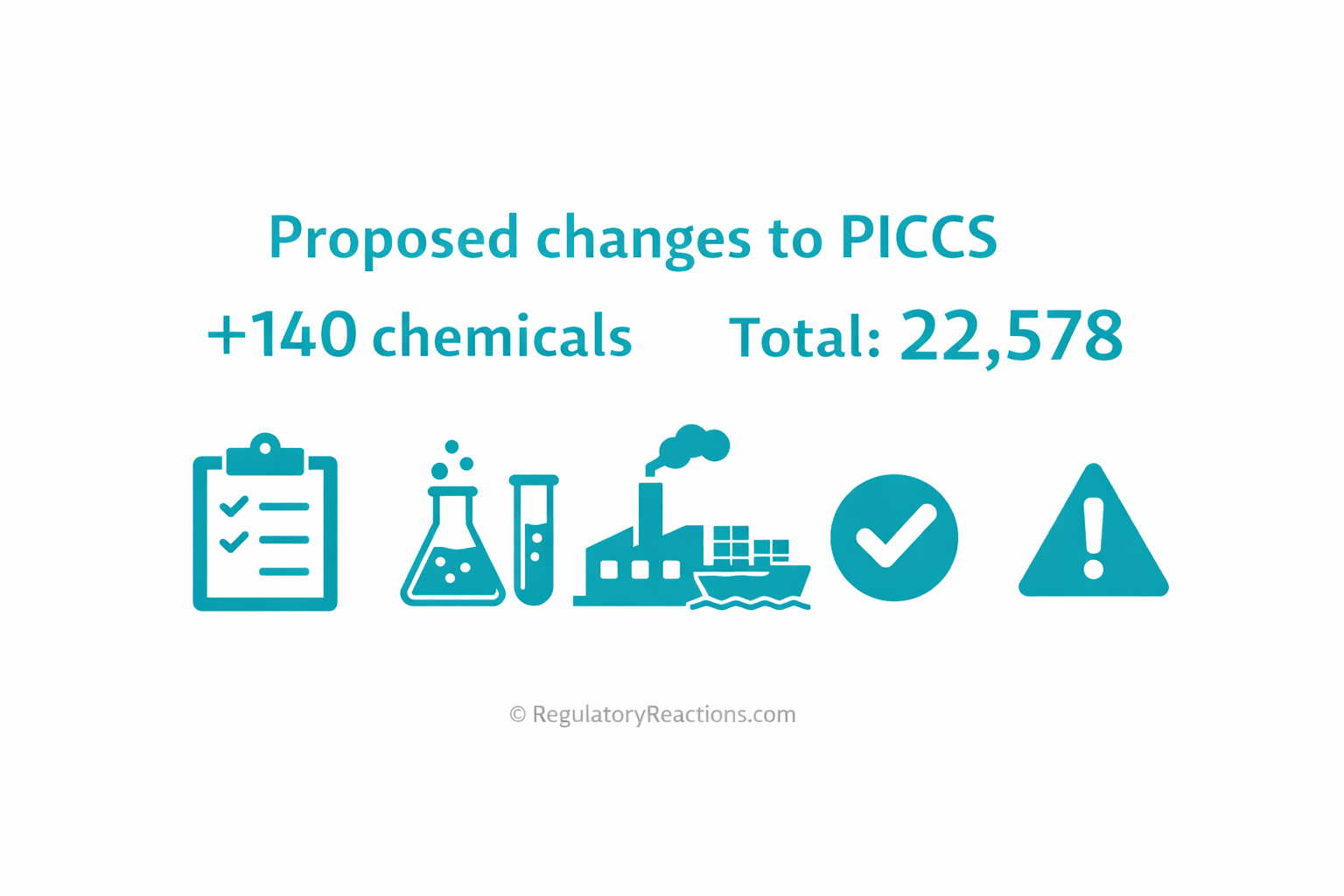
Philippines proposes to add new chemicals to its national chemical inventory
Proposed changes to PICCS would add 140 chemicals, easing notification requirements for manufacturers and importers.
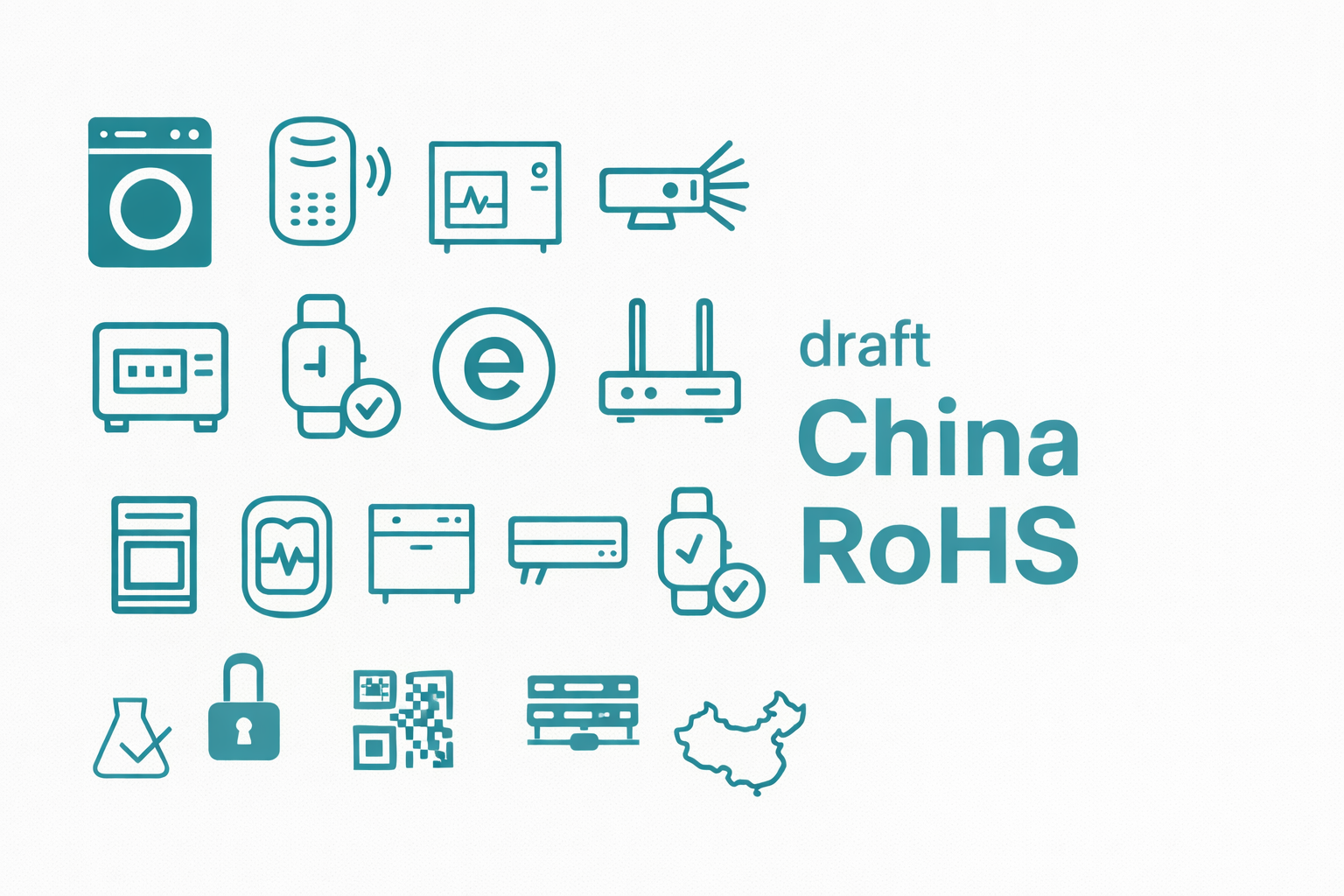
China to require ROHS compliance for more EEE products
China proposes to expand RoHS coverage under GB 26572-2025, adding new EEE categories, updating exemptions, and introducing stricter compliance and labeling rules. Public comments close on 2 Dec 2025.
Vietnam consults on new requirements for chemicals and chemical products
Vietnam is finalizing a comprehensive reform of its chemical control system. On 30 October 2025, the Vietnam Chemicals Agency (Vinachemia) issued a draft Circular implementing the Law on Chemicals (No. 69/2025/QH15), following consultations on decree on implementation and administrative penalties.

Indonesia to restrict PFAS and Bisphenol in food packaging
BPOM has completed consultation on a new regulation updating substance limits in food-contact materials — set to replace Regulation 20/2019. The draft regulation sets to limit the use of Bisphenol A, S and PFAS in food packaging.
Japan proposes to allow alternative names in SDS to protect trade secrets
Japan’s Ministry of Health, Labour and Welfare (MHLW) has proposed to allow the use of alternative chemical names in Safety Data Sheets (SDSs) to protect confidential business information (CBI).
Time is ticking for mandatory PFAS reporting in Australia
Australia launches PFAS review, requiring AICIS registrants to report imports and uses of 522 PFAS substances.
Australia bans DBDPE, mercury in products and restricts other hazardous chemicals
Australia’s DCCEEW bans the use of decabromodiphenyl ethane (DBDPE, CAS 84852-53-9) starting on 1 January 2027 and mercury compounds starting on 1 July 2026.
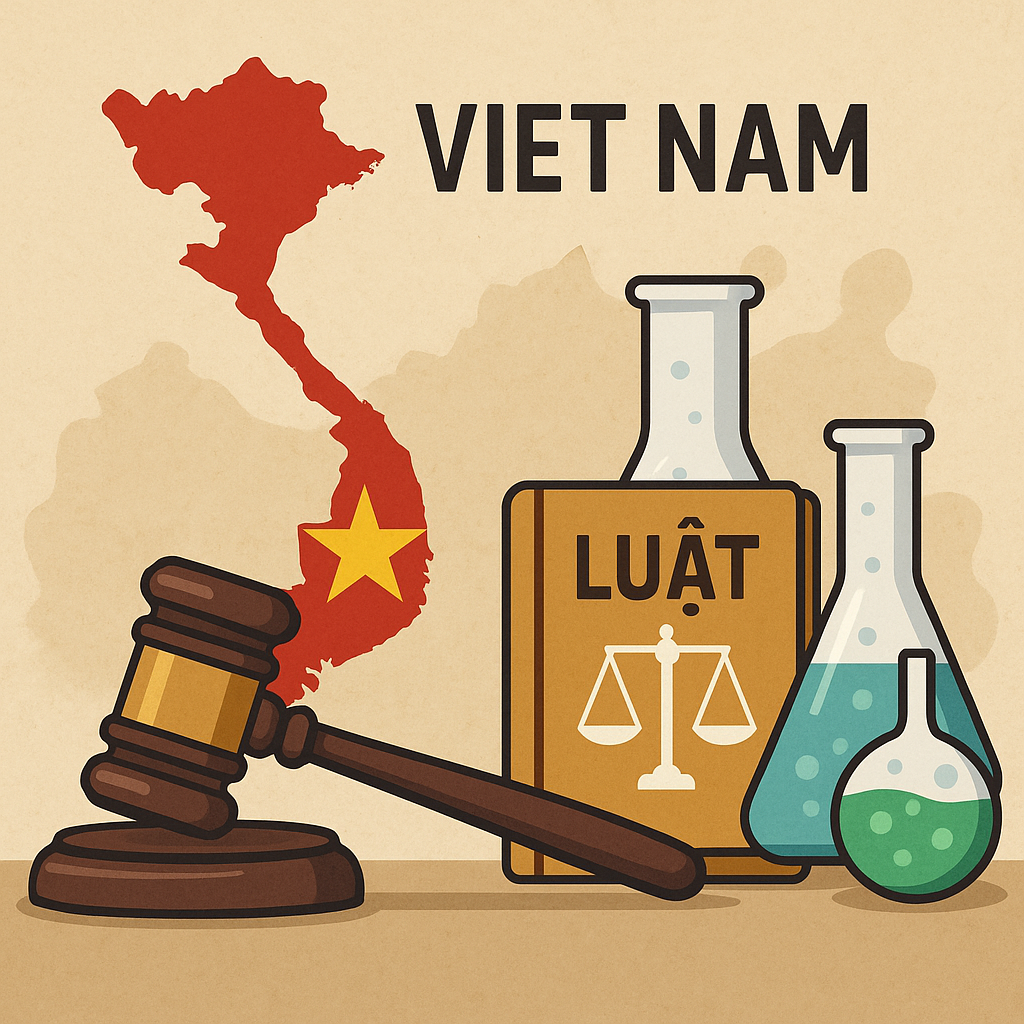
Vietnam’s revamped Chemical Law leaves companies with uncertainties
The new Chemical Law law requires mandatory disclosure of hazardous substances in products, notification of new chemicals but provide little details on implementation.
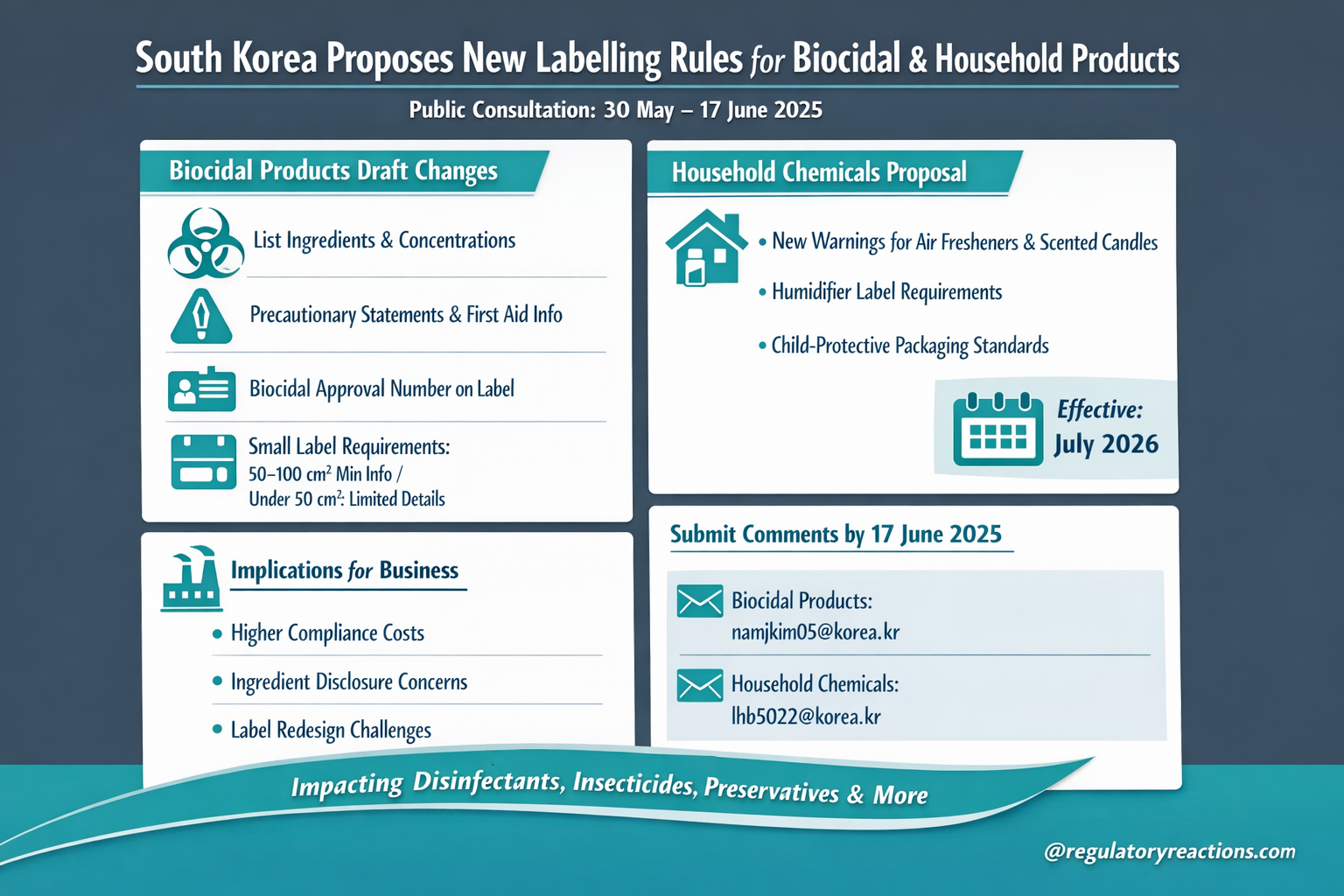
South Korea consults on labelling of biocidal and household chemical products
The Ministry of Environment launched a public consultation, on 30 May 2025, to amend a number of labelling requirements for biocidal products in South Korea. The agency also launched a separate consultation in early May that affects the labelling of household chemicals.
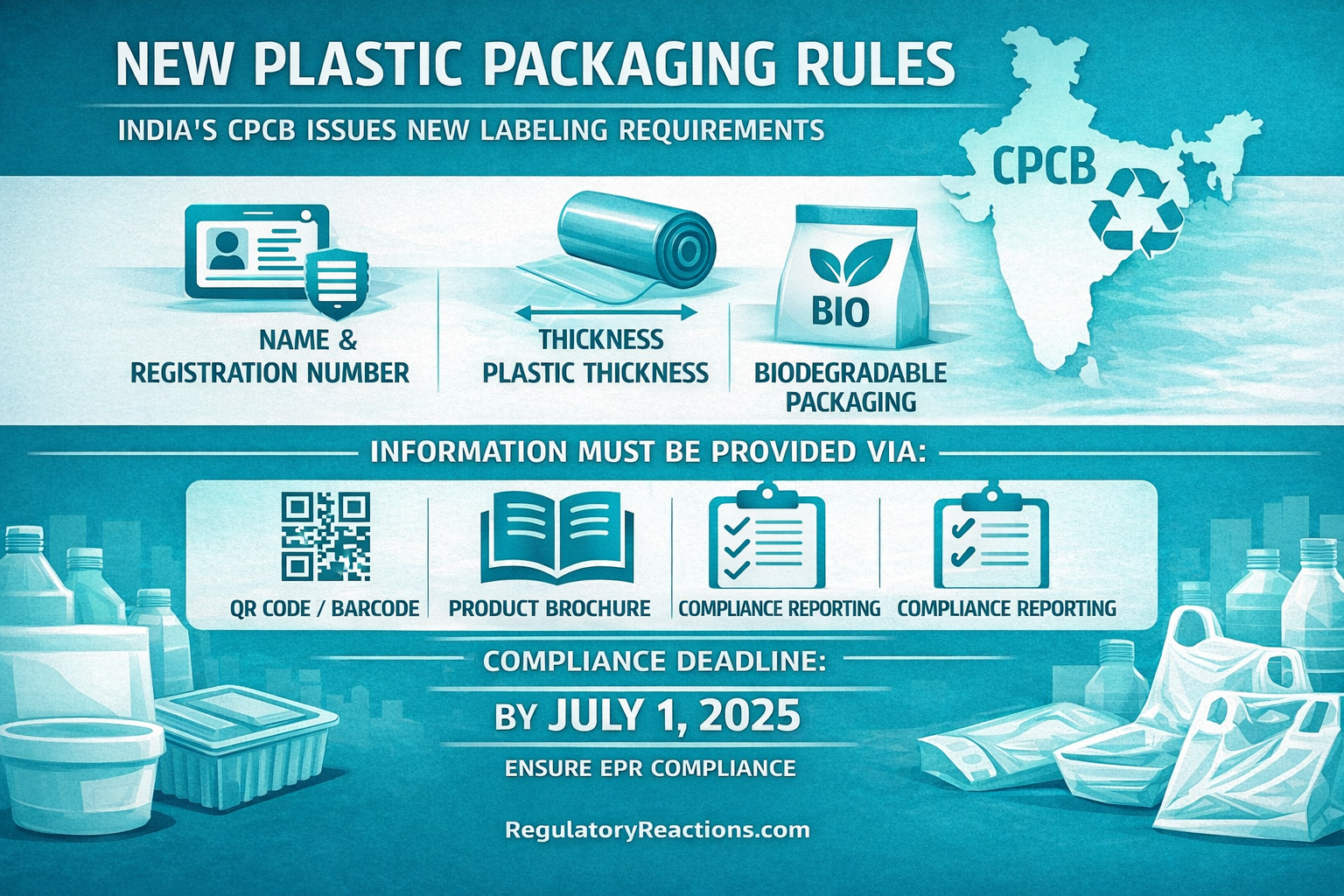
India requires new labelling requirements on plastic packaging to strengthen its plastic packaging EPR scheme
India’s CPCB plans new plastic packaging labels, expanding EPR traceability for producers, importers, and brands by July 2025.
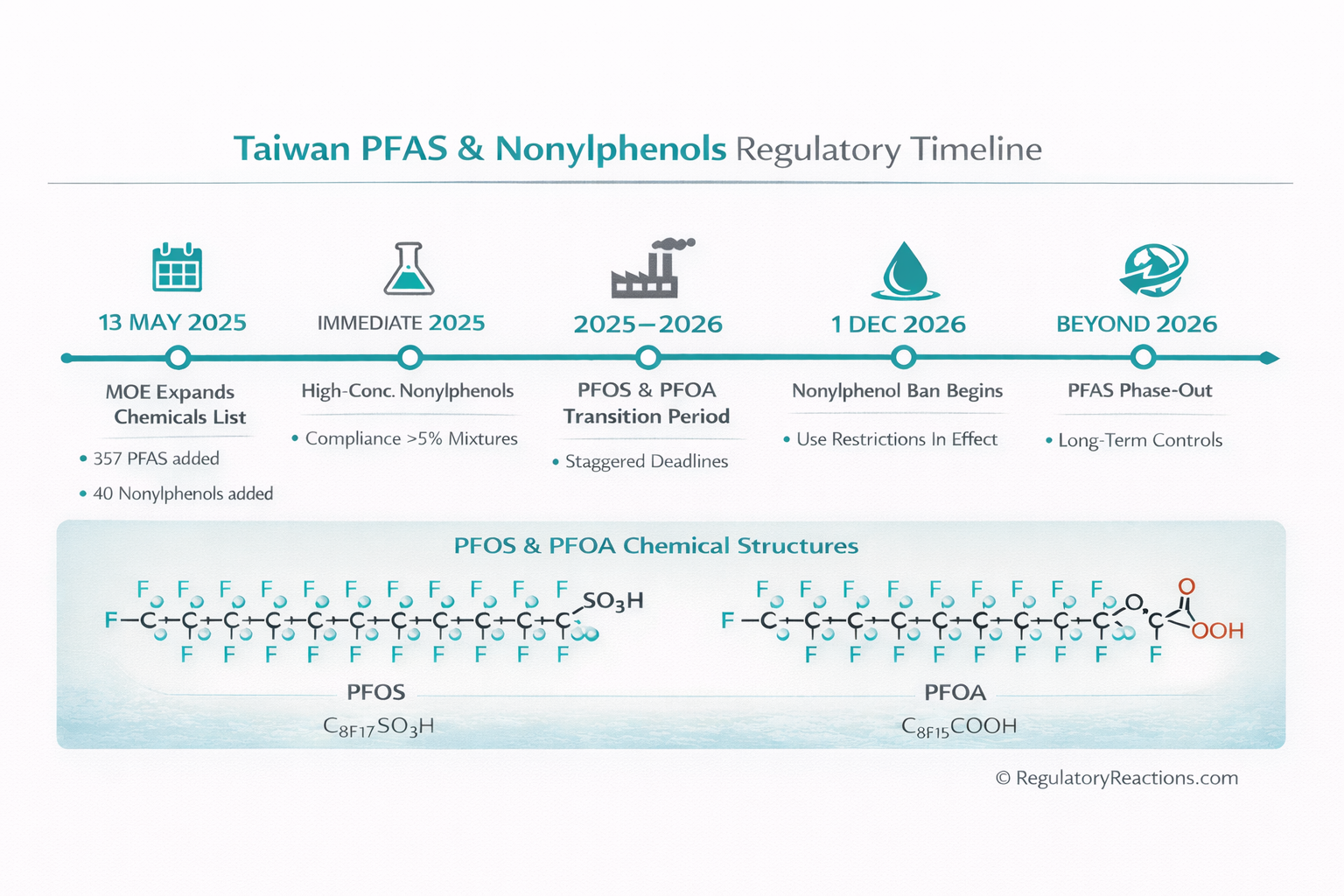
Taiwan’s restrictions on PFOA, PFOS, and nonylphenols substances take effect soon
Taiwan’s restrictions for the 397 PFAS substances, which it consulted with the public in October 2024, and Nonylphenols will take effect starting on 1 June 2025. Industries have a short transition period to comply with the new restrictions.
Australia to ban DBDPE, mercury in products and restricts other petrochemicals
Australia notifies the WTO of proposed bans on DBDPE and mercury under IChEMS, with new risk management duties impacting electronics, automotive, and plastics sectors.
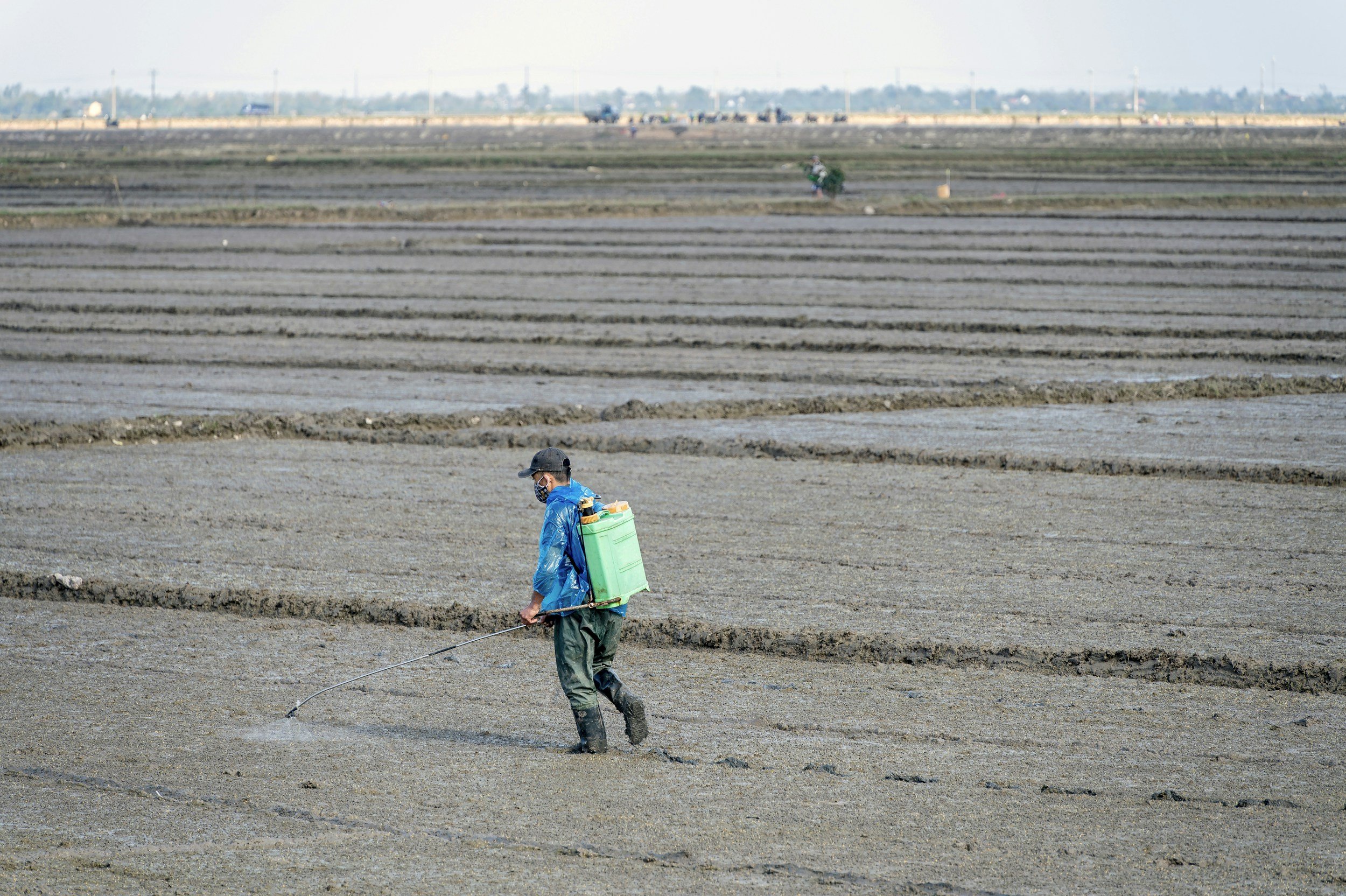
Philippines opens consultation on agrochemical controls under the Rotterdam and Stockholm Convention
Philippines seeks input on proposed listings of agrochemicals under the Rotterdam and Stockholm Conventions, including fenthion, PFAS (LC-PFCA), paraquat and chlorpyrifos.
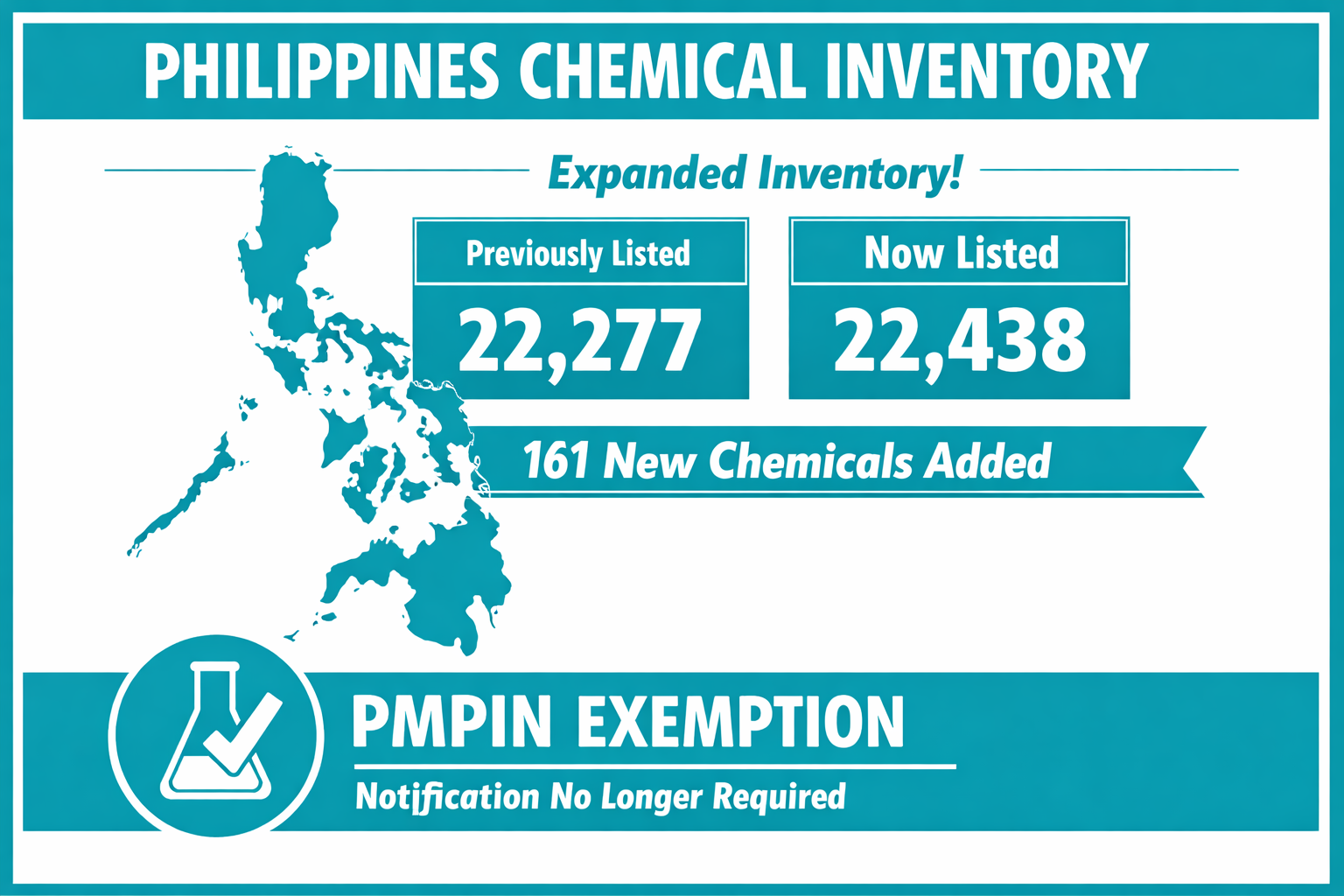
Philippines updates chemical inventory
The Environmental Management Bureau (EMB) has taken another step toward streamlining chemical oversight by expanding its national chemical inventory, lifting notification requirements for more than 160 substances.