Filter by jurisdictions
- Asia Pacific 17
- Australia 3
- California 3
- China 1
- Denmark 1
- Draft proposal 20
- EU 7
- Europe 9
- Final rules 18
- France 1
- India 1
- Indonesia 1
- Japan 1
- New Jersey 2
- New York 3
- New Zealand 1
- Oceania 4
- Philippines 3
- Singapore 1
- South Korea 1
- Southeast Asia 8
- Taiwan 2
- UK 2
- US federal 2
- US states 9
- United States 11
- Vietnam 3
- Virginia 1
- Washington D.C. 1
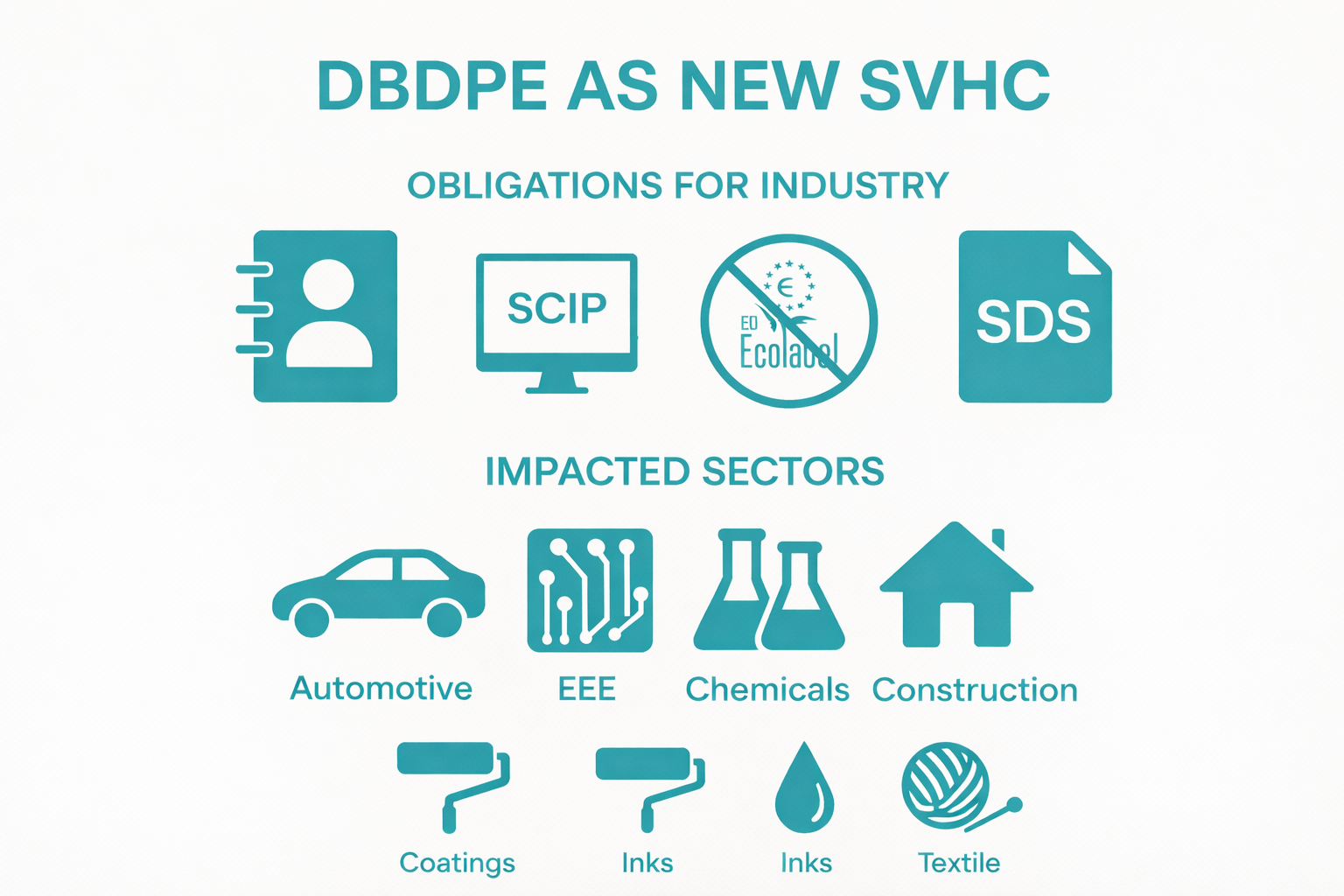
EU adds DBDPE to the SVHC List
ECHA adds DBDPE (CAS 84852-53-9) to the REACH Candidate List, expanding SVHCs to 251. Companies face new EU disclosure, ECHA & SCIP notification, and labeling duties under REACH and the Waste Framework Directive. Affective sectors include automotive, electrical & electronics, chemical and consumer products, medical device, textile, and toys.
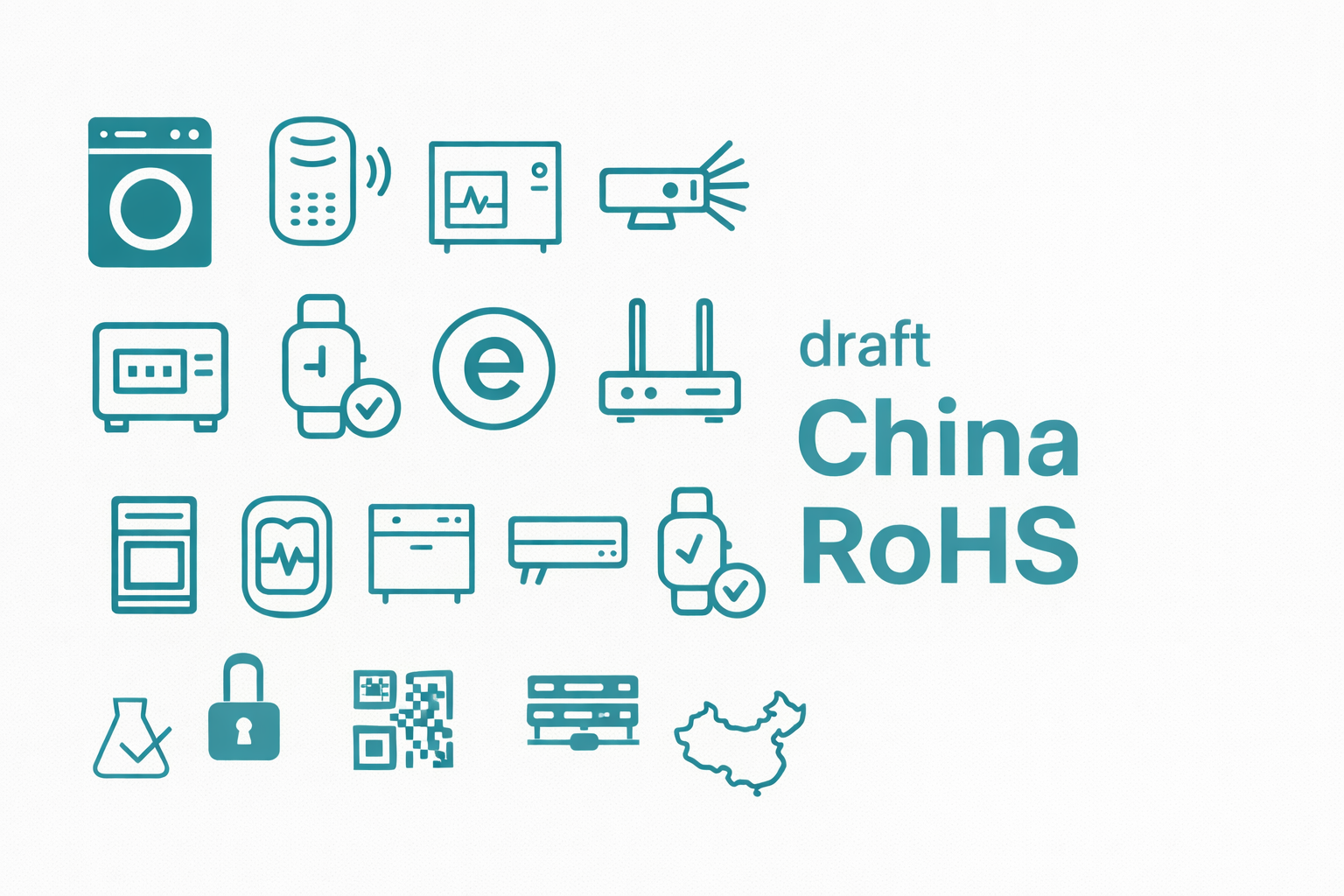
China to require ROHS compliance for more EEE products
China proposes to expand RoHS coverage under GB 26572-2025, adding new EEE categories, updating exemptions, and introducing stricter compliance and labeling rules. Public comments close on 2 Dec 2025.

Vietnam consults on new requirements for chemicals and chemical products
Vietnam is finalizing a comprehensive reform of its chemical control system. On 30 October 2025, the Vietnam Chemicals Agency (Vinachemia) issued a draft Circular implementing the Law on Chemicals (No. 69/2025/QH15), following consultations on decree on implementation and administrative penalties.

Indonesia to restrict PFAS and Bisphenol in food packaging
BPOM has completed consultation on a new regulation updating substance limits in food-contact materials — set to replace Regulation 20/2019. The draft regulation sets to limit the use of Bisphenol A, S and PFAS in food packaging.
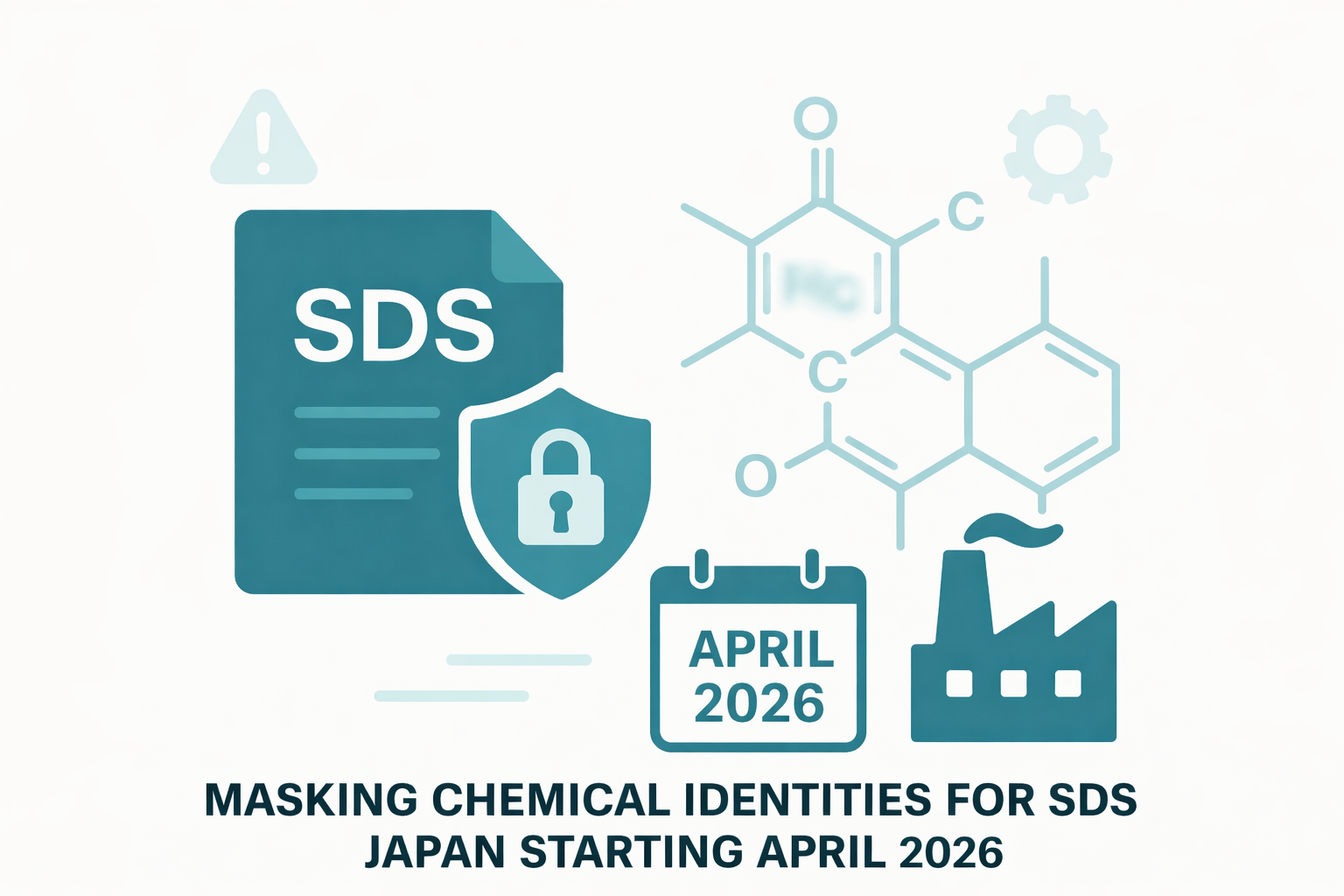
Japan proposes to allow alternative names in SDS to protect trade secrets
Japan’s Ministry of Health, Labour and Welfare (MHLW) has proposed to allow the use of alternative chemical names in Safety Data Sheets (SDSs) to protect confidential business information (CBI).
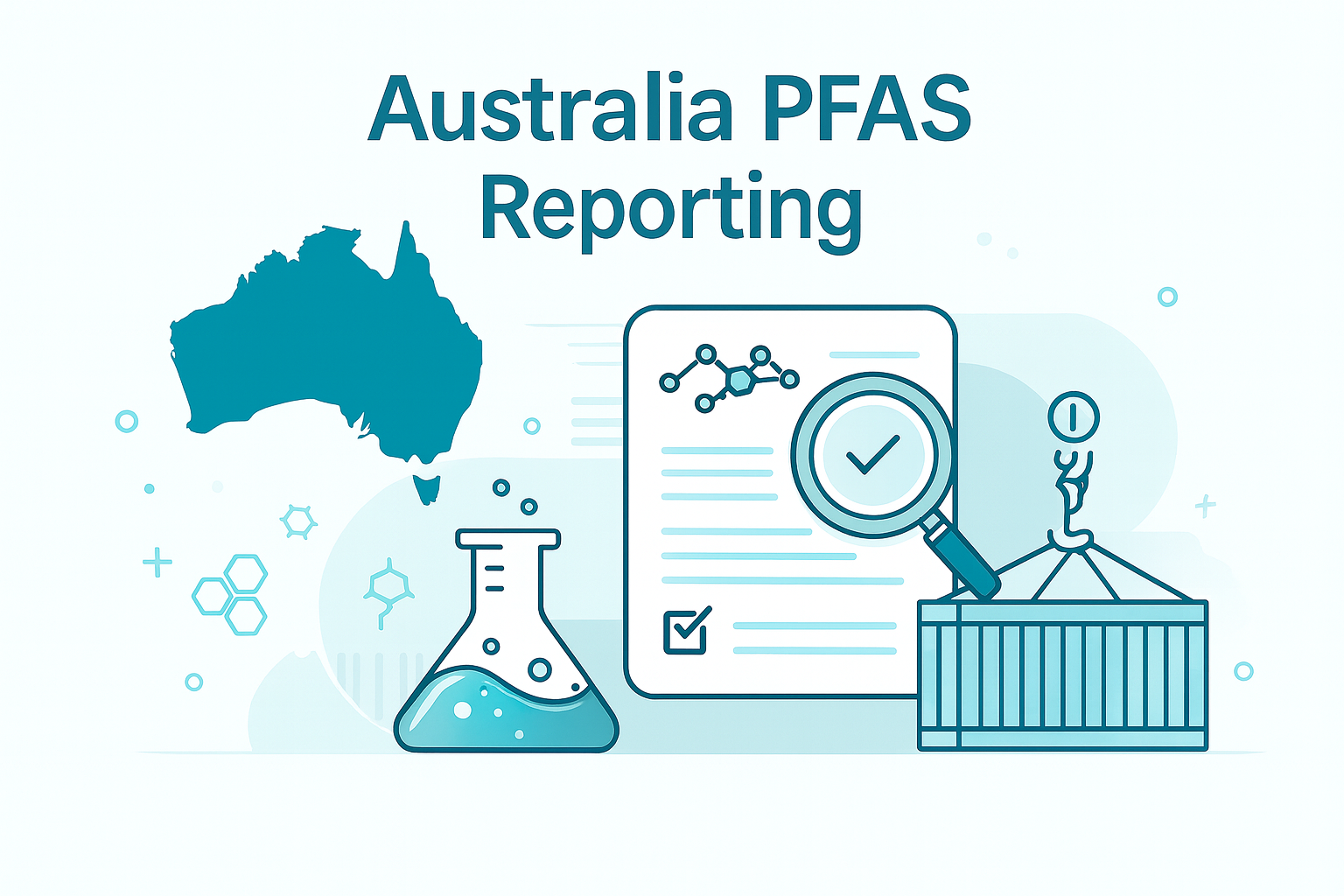
Time is ticking for mandatory PFAS reporting in Australia
Australia launches PFAS review, requiring AICIS registrants to report imports and uses of 522 PFAS substances.
Singapore Strengthens Oversight of Hazardous Chemicals and Paint Products in 2026
Singapore will introduce mandatory reporting requirements for hazardous chemicals starting January 2026. At the same time, paint products intended for indoor use must contain less than 0.01% formaldehyde.

The UK’s restrictions of Oxybenzone in cosmetic products takes effect in early 2026
The UK restricts the use of oxybenzone in cosmetics from 21 January 2026, aligning with EU rules and triggering reformulation across sunscreen and beauty products. The change in the regulation may provide new opportunities for companies.
Australia bans DBDPE, mercury in products and restricts other hazardous chemicals
Australia’s DCCEEW bans the use of decabromodiphenyl ethane (DBDPE, CAS 84852-53-9) starting on 1 January 2027 and mercury compounds starting on 1 July 2026.

Vietnam’s revamped Chemical Law leaves companies with uncertainties
The new Chemical Law law requires mandatory disclosure of hazardous substances in products, notification of new chemicals but provide little details on implementation.

California seeks to ban Bisphenols and Ortho-phthalates in food packaging
California’s Assembly passed bill AB-1148, seeking to restrict the use of bisphenols and ortho-phthalates in all packaging, but exempts tetramethyl bisphenol F (TMBPF, CAS 5384-21-4) from the restrictions unless DTSC deems the substance to also poses a significant risk to human health.
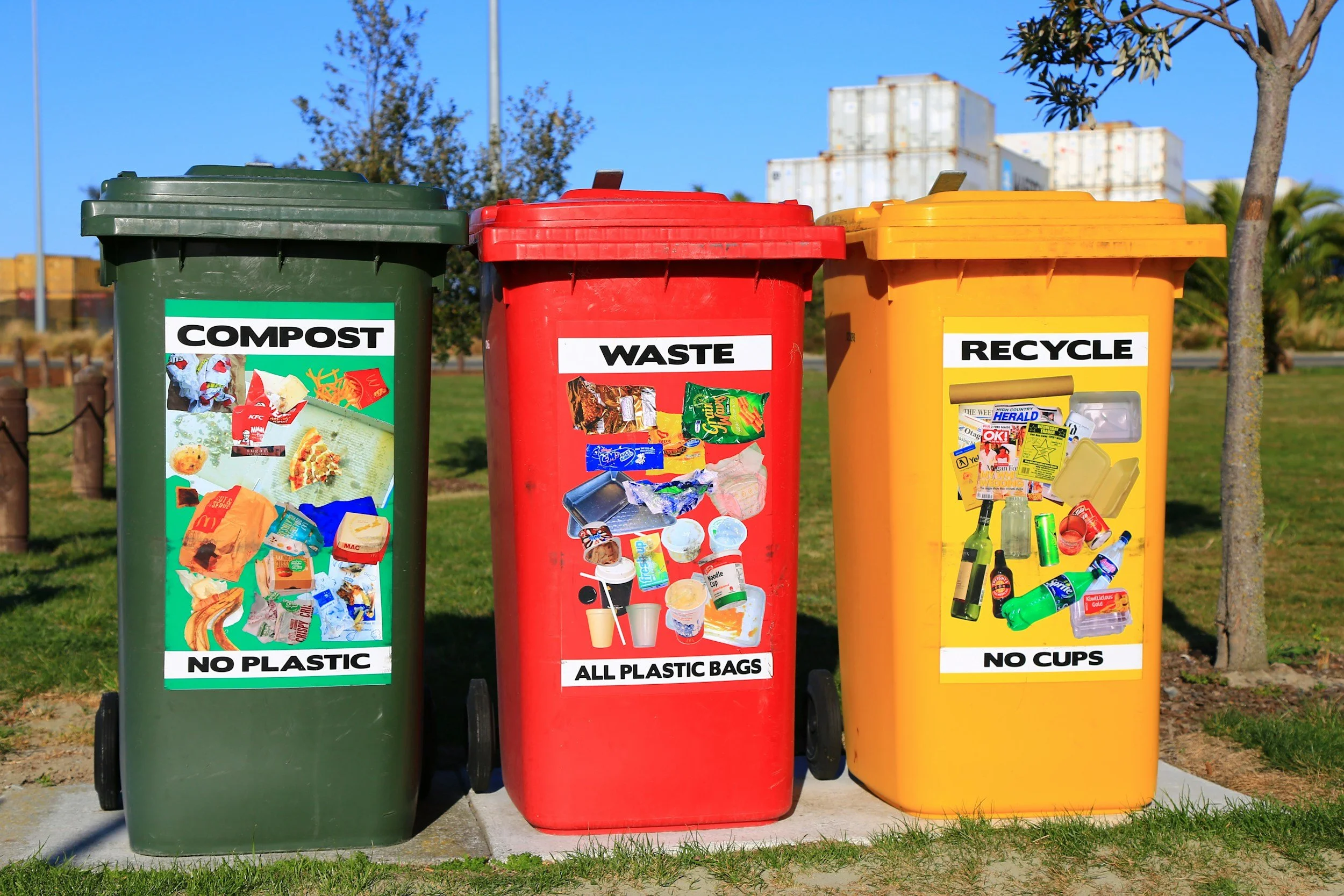
NY’s bill on producer responsibilities for packaging materials face uncertain fate amidst opposition from industries
The New York Senate passed S1464 on 28 May 2025, which seeks to implement extended producer responsibilities (EPR) for packaging and packaging materials. The the bill would require companies to register with the state, create collection systems and take back programs as well as eliminate hazardous chemicals from packaging and packaging materials.
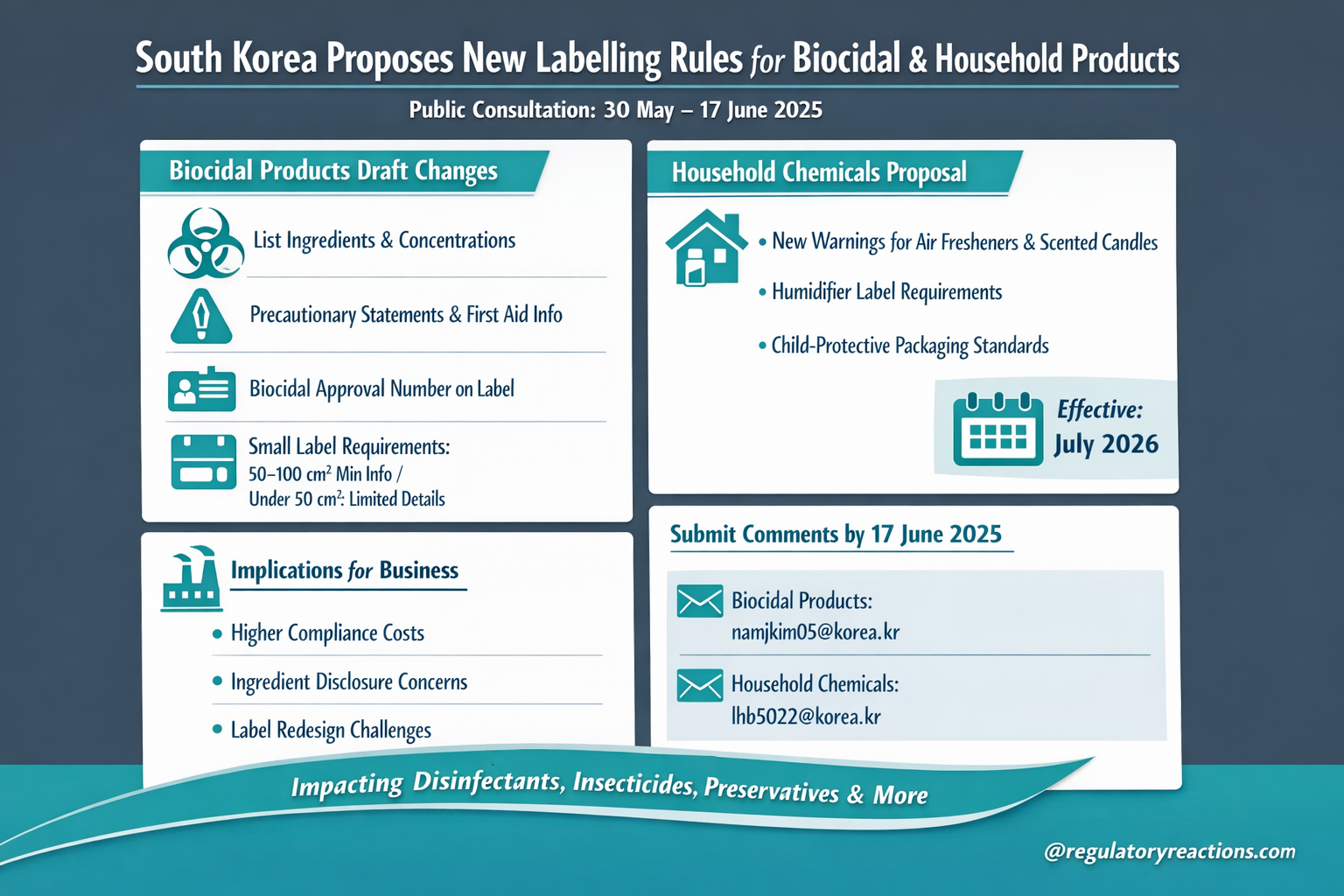
South Korea consults on labelling of biocidal and household chemical products
The Ministry of Environment launched a public consultation, on 30 May 2025, to amend a number of labelling requirements for biocidal products in South Korea. The agency also launched a separate consultation in early May that affects the labelling of household chemicals.
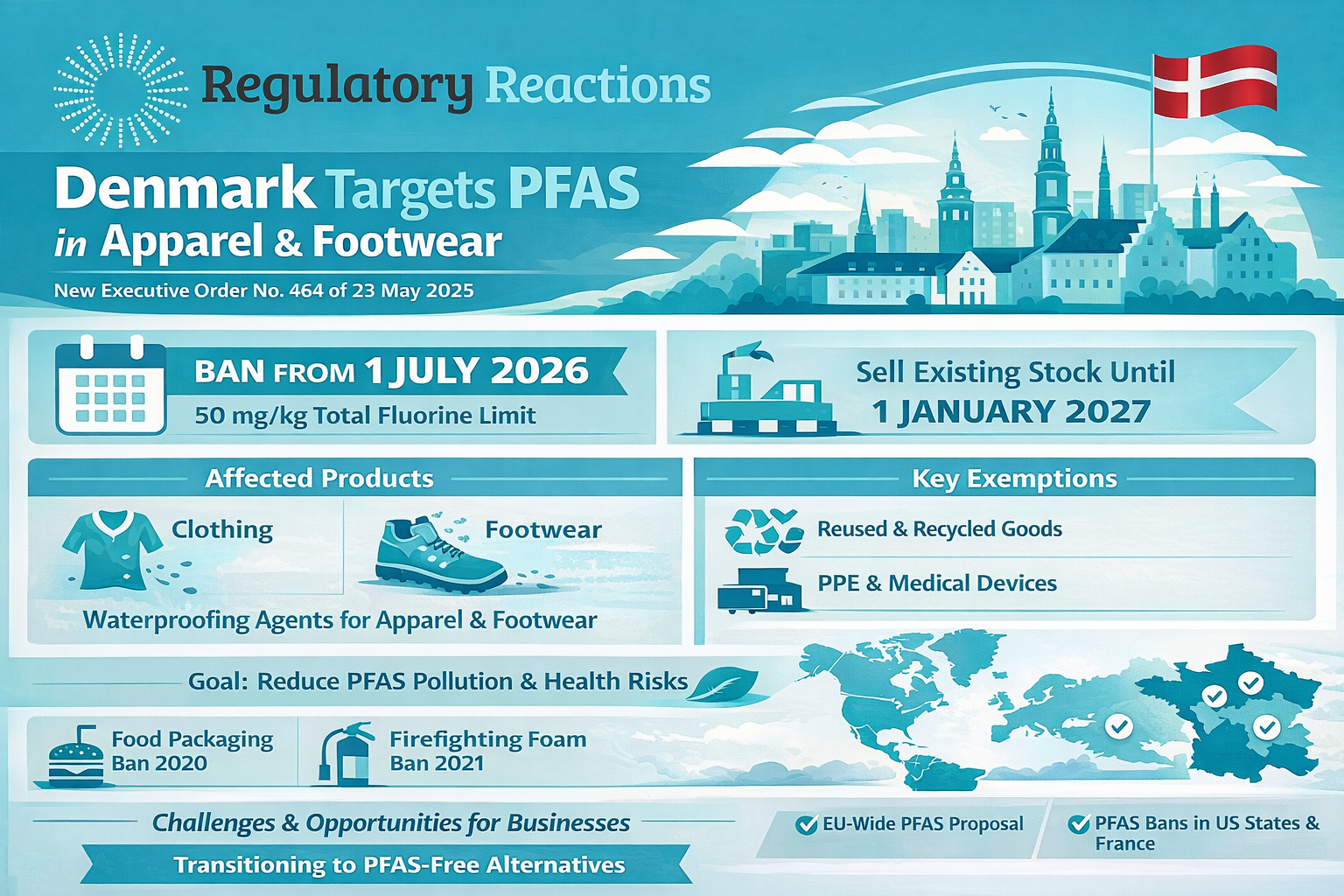
Denmark targets PFAS in apparel, footwear and waterproofing agents under new executive order
Denmark bans PFAS in clothing, footwear and waterproofing agents from July 2026 as global textile PFAS restrictions rapidly expand.
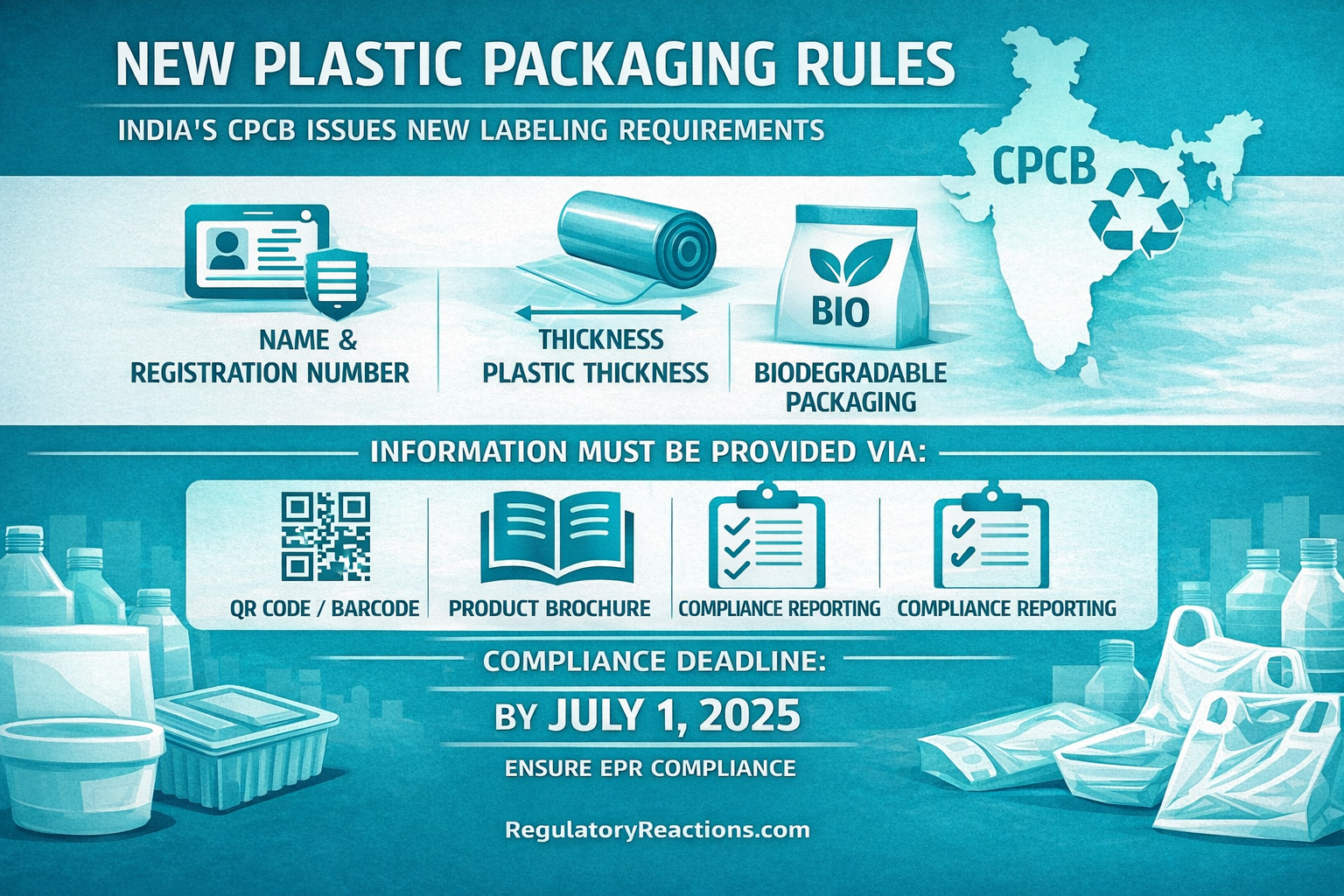
India requires new labelling requirements on plastic packaging to strengthen its plastic packaging EPR scheme
India’s CPCB plans new plastic packaging labels, expanding EPR traceability for producers, importers, and brands by July 2025.

Consultation on Vietnam Draft Chemicals Law reveals opportunities and concerns for industries
Vietnam’s proposed overhaul of its 2007 Chemical Law aims to cut down on some regulatory burden, introduces green technology but also presents challenges for industry, especially on the ingredient disclosure requirements.
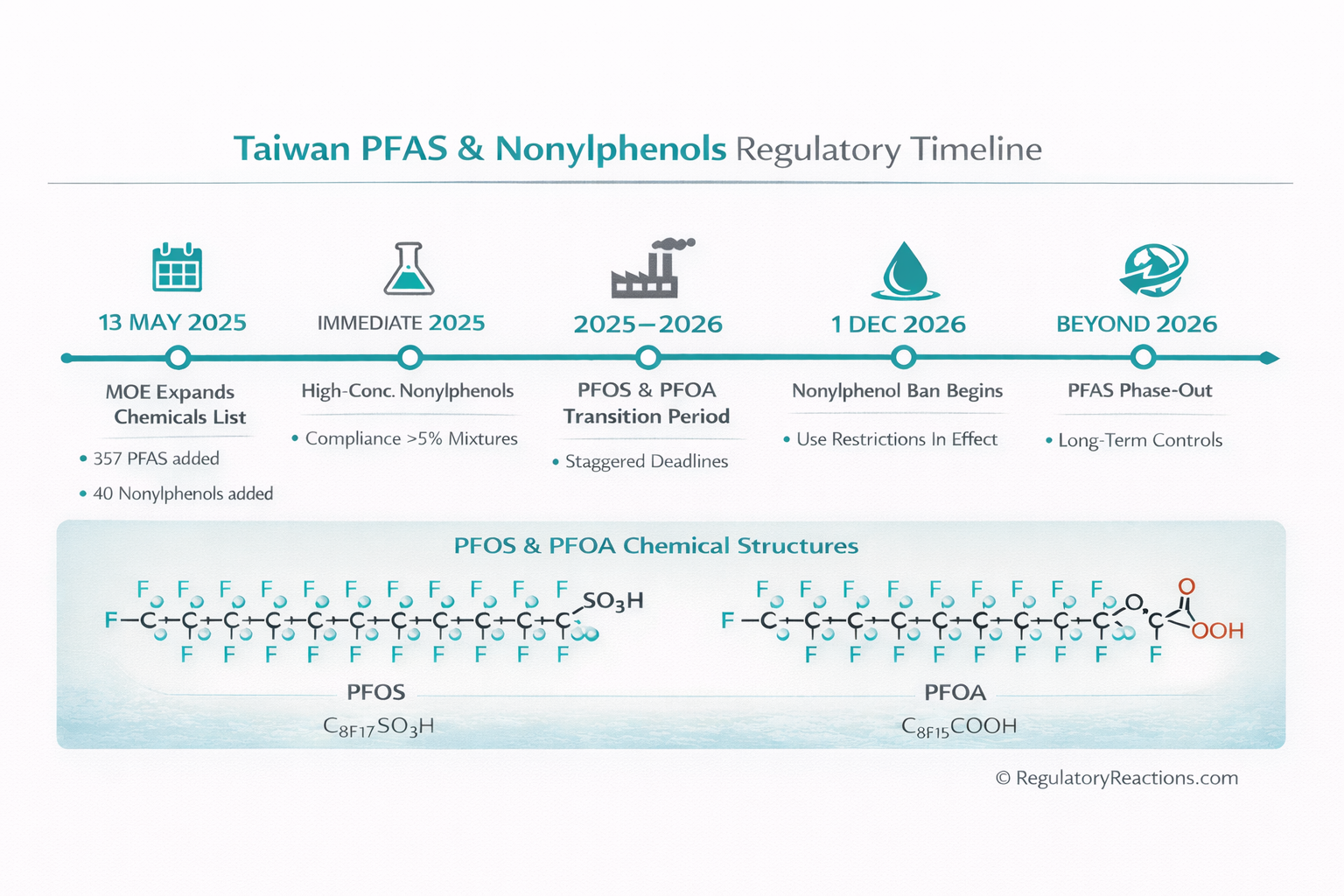
Taiwan’s restrictions on PFOA, PFOS, and nonylphenols substances take effect soon
Taiwan’s restrictions for the 397 PFAS substances, which it consulted with the public in October 2024, and Nonylphenols will take effect starting on 1 June 2025. Industries have a short transition period to comply with the new restrictions.
The UK proposes to limit the use of Oxybenzone in cosmetic products, aligns with the EU
The UK plans to restrict oxybenzone in cosmetics from 2026, aligning with EU rules and triggering reformulation across sunscreen and beauty products.
Australia to ban DBDPE, mercury in products and restricts other petrochemicals
Australia notifies the WTO of proposed bans on DBDPE and mercury under IChEMS, with new risk management duties impacting electronics, automotive, and plastics sectors.
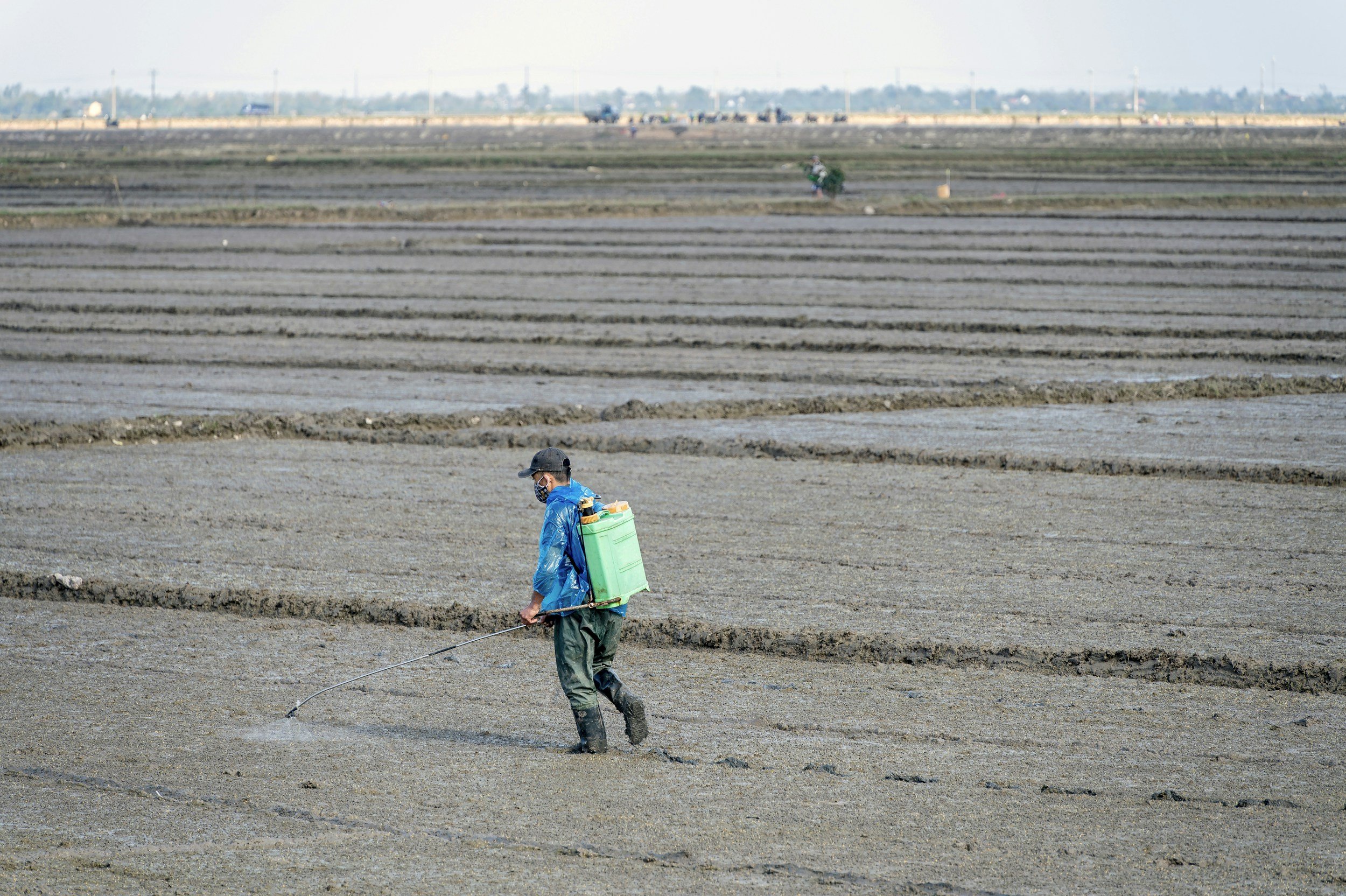
Philippines opens consultation on agrochemical controls under the Rotterdam and Stockholm Convention
Philippines seeks input on proposed listings of agrochemicals under the Rotterdam and Stockholm Conventions, including fenthion, PFAS (LC-PFCA), paraquat and chlorpyrifos.