



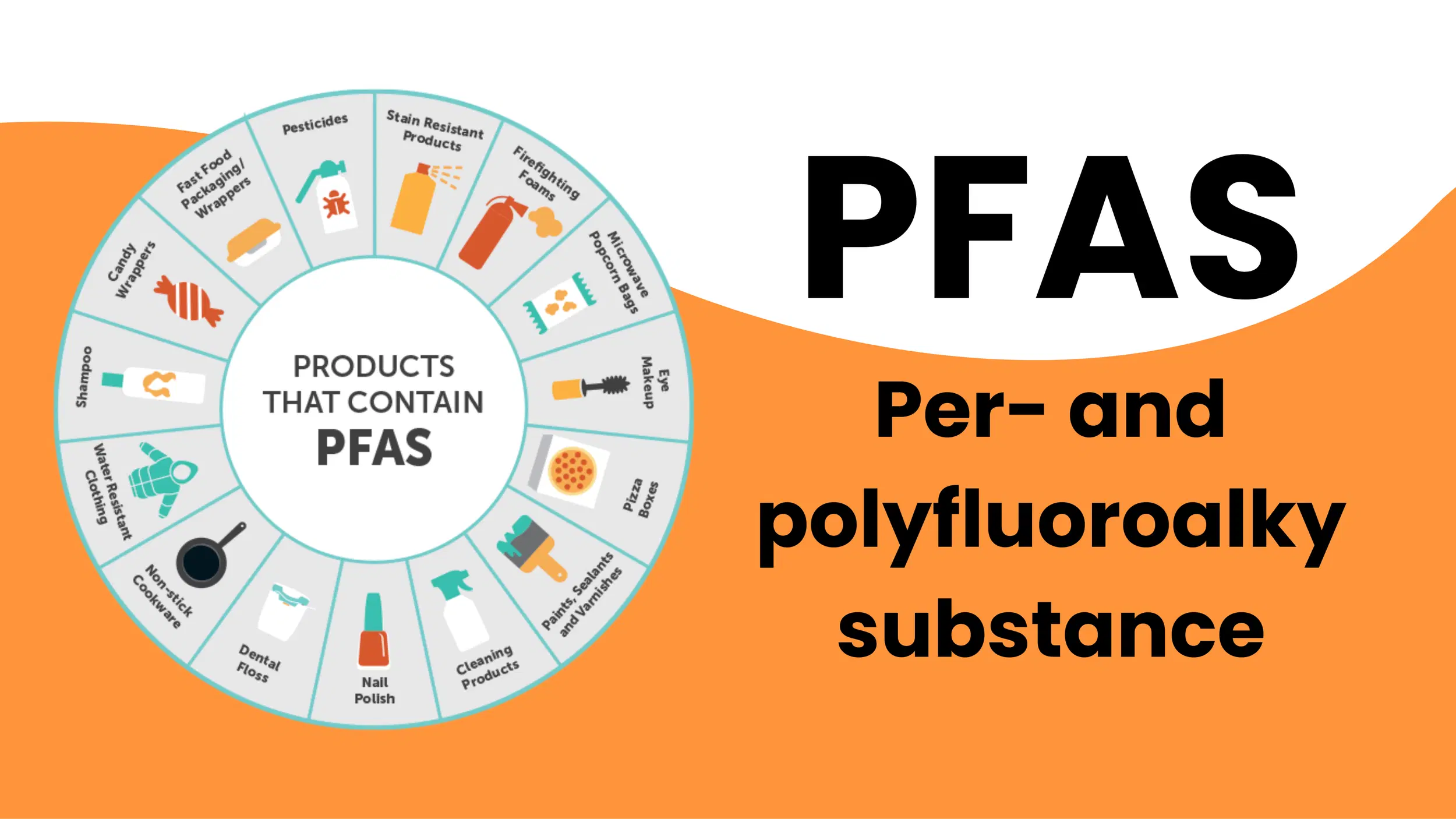
HELSINKI, Finland, 19 November 2026 - The European Chemicals Agency's (ECHA) Committee for Socio-Economic Analysis (SEAC) has adopted its final opinion supporting an EU-wide restriction on per- and polyfluoroalkyl substances (PFAS), a proposal ECHA says would cover more than 10,000 substances. SEAC recommends a broad ban with use-specific derogations reflecting the availability of alternatives and the costs of substitution.
The ECHA announcement follows the Committee for Risk Assessment's (RAC) March 2026 opinion. RAC assessed environmental and health risks, while SEAC evaluated socio-economic impacts. ECHA expects to send both committees' final opinions and supporting documents to the European Commission by the end of 2026.
Maria Ottati, SEAC Chair, said of the committee's opinions on PFAS and chromium(VI):
“This is an important milestone for SEAC,” Maria Ottati, SEAC Chair, commented on the committee's opinions on PFAS. The committee has thoroughly scrutinised both restriction proposals, carefully balancing the societal costs and benefits of these restrictions to ensure they are proportionate and workable in practice.”
Scope of the Proposal
Submitted in January 2023 by Denmark, Germany, the Netherlands, Norway, and Sweden, the proposal would restrict the manufacture, use, and placing on the market, including imports, of PFAS as substances, in mixtures, and in articles. It uses the Organisation for Economic Co-operation and Development's (OECD) structural definition rather than a fixed chemical list, covering fluoropolymers, fluorinated gases, and other qualifying substances.
Affected uses span textiles, cosmetics, food-contact materials, medical devices, electronics, transport, construction, and industrial processes. Firefighting foams are addressed by a separate EU restriction adopted in October 2025.
RAC estimates annual PFAS emissions of approximately 70,000 tonnes across the EU and European Economic Area, primarily from fluorinated gases, transport, and textiles. It concluded that existing measures inadequately control emissions and associated risks.
Proposed Transition Periods and Derogations
SEAC concluded that a complete PFAS ban after 18 months would likely impose societal costs disproportionate to its benefits, particularly where suitable alternatives are not technically or economically feasible. The committee therefore supports longer derogations for justified uses, although insufficient application-specific evidence prevented conclusions on some exemptions.
The following periods come from the five countries' updated restriction dossier. SEAC has not endorsed every proposed derogation. The five- and 12-year periods are proposed extensions beyond the general 18-month transition.
18-Month General Transition
Uses without derogations would need to comply after 18 months, potentially including PFAS in cosmetics, textiles, carpets, cookware, industrial materials, and imported articles. Single-phase immersion-cooling fluids used in electronics are among the applications without a proposed extension.
Mixtures and articles already placed on the market could continue to be used under the proposal's conditions.
Five-Year Derogations
Proposed extensions cover:
Electronics: PFAS-containing coatings and films on electronic displays and lenses, and certain electrical-equipment components.
Food-contact materials: Non-stick coatings in industrial bakeware.
Batteries: Certain battery separator coatings.
These periods would allow additional time to test alternatives and adapt manufacturing processes.
Twelve-Year Derogations
Proposed extensions include:
Electronics and semiconductors: Semiconductor manufacturing; printed circuit boards, antennas, photonics, wires, cables, connectors, component insulation and coatings, anti-drip additives, vapor-phase soldering fluids, and two-phase immersion-cooling fluids.
Personal protective equipment: Certain protective clothing and impregnating agents where substitution could compromise worker safety.
Refrigerants: Certain fluorinated refrigerants. RAC also identifies concerns about persistence and formation of trifluoroacetic acid (TFA) through degradation.
Medical devices: Certain implantable and invasive devices where replacements could affect performance or patient safety.
Energy: Certain battery binders and electrolytes, fuel cells, and electrolysis applications.
For semiconductor manufacturers, longer periods could accommodate material qualification, component certification, and production changes.
Time-Unlimited Derogations
The proposal includes time-unlimited derogations for PFAS used as active substances in plant protection products, biocidal products, and human and veterinary medicines. RAC recommends additional emission controls under the separate EU laws governing these uses.
Additional Temporary Derogations
SEAC recommends time-limited derogations, with durations still undecided, for eight sectors added after consultation: printing, sealing, machinery, other medical applications, military applications, explosives, technical textiles, and broader industrial uses.
Detailed sector assessments remain outstanding. Affected applications include fluoropolymer industrial seals and fluorinated gas propellants in metered-dose inhalers.
Emission Controls for Permitted Uses
RAC estimates that a complete ban could cut PFAS emissions by approximately 96% over 30 years relative to its baseline; the proposed derogations would reduce that projected cut to 76%.
RAC also recommends:
Supply-chain information: PFAS identification, labelling, and safe-use and disposal instructions.
Site-specific management plans: Documentation of PFAS uses, justification for continued use, and emission monitoring.
Annual reporting: PFAS identities and quantities placed on the market by manufacturers, importers, and downstream formulators, alongside monitored emissions reported by manufacturers and industrial users.
SEAC supports these measures in principle but says there is insufficient information to assess whether their costs are proportionate to their benefits. Longer implementation periods may be needed.
Other Restrictions Are Already Taking Effect
France's PFAS restrictions on cosmetics, apparel, footwear, waterproofing agents, and ski wax began in January 2026, with wider textile restrictions planned for 2030. Denmark's restrictions on clothing, footwear, and waterproofing agents began in July 2026. EU-wide PFAS limits for food-contact packaging became applicable in August 2026 under the Packaging and Packaging Waste Regulation.
In the United States, Minnesota and Maine have introduced product-specific restrictions, with broader prohibitions on intentionally added PFAS scheduled for 2032, subject to exemptions.
What Happens Next?
Once it receives the RAC and SEAC opinions, the Commission will draft an amendment to Annex XVII of the Registration, Evaluation, Authorisation and Restriction of Chemicals (REACH) Regulation for a Member State vote, followed by European Parliament and Council scrutiny.
The adopted regulation—not SEAC's November opinion—will establish binding restrictions, derogations, and the dates from which the transition periods apply.