



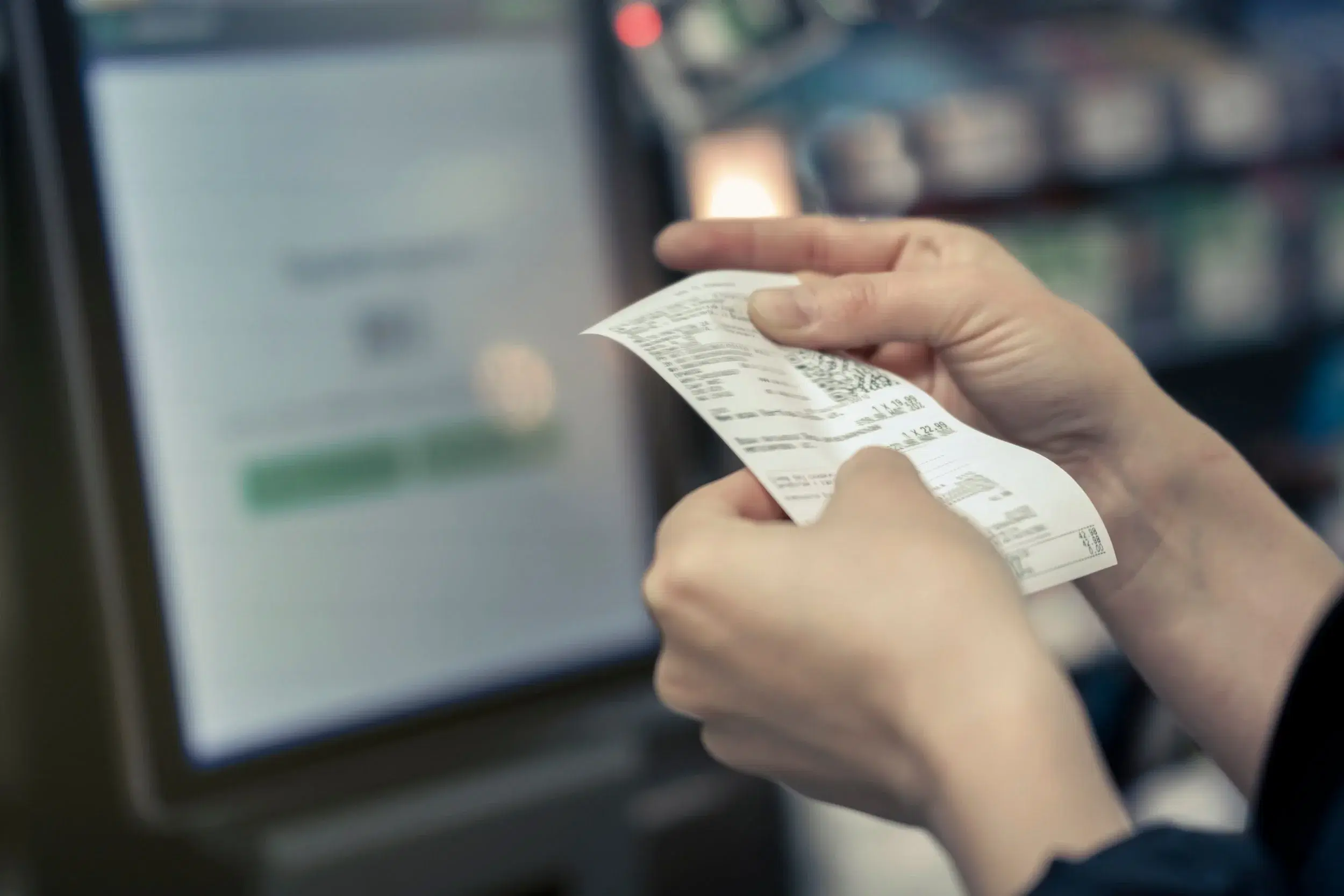
SACRAMENTO, California, 1 October 2026 - California will prohibit intentionally added bisphenol A (BPA; CAS 80-05-7) in paper receipts from 1 January 2028, followed by a broader prohibition on intentionally added bisphenols from 1 January 2029, under a new law targeting chemicals used in thermal receipt paper.
Governor Gavin Newsom signed Assembly Bill 1604 (AB 1604), the Prohibiting Bisphenols in Receipts Act, on 30 September 2026. The law prohibits a person from manufacturing, distributing, selling or offering for sale in California a paper proof of purchase containing intentionally added BPA beginning in 2028. One year later, the restriction expands to bisphenols as a chemical class.
The broader prohibition captures BPA replacements such as bisphenol S (BPS; CAS 80-09-1), which has been used in thermal receipt paper.
California targets BPA and its replacements
AB 1604 applies to paper proof of purchase provided at the point of sale for food, alcohol, other goods or services, giving the restriction relevance across a wide range of consumer transactions.
Bisphenols are used as chemical developers in thermal paper, where heat produces the printed image. Breast Cancer Prevention Partners (BCPP), which co-sponsored AB 1604 with Californians Against Waste, said testing conducted in 2023 detected bisphenols in 80% of receipts tested, while 20% were bisphenol-free.
“No one should have to trade their health for a receipt,” said Nancy Buermeyer, Director of Program and Policy for BCPP, welcoming the law. BCPP has highlighted repeated receipt handling by workers as a particular exposure concern.
Rather than listing individual BPA substitutes, AB 1604 defines “bisphenol” based on chemical structure. The approach means eliminating BPA alone will not be sufficient once the broader 2029 prohibition takes effect.
Replacement chemicals face additional requirements
Moving to bisphenol-free receipt paper will not give manufacturers unrestricted choice over replacement chemistry.
When replacing a bisphenol, AB 1604 requires manufacturers to use the least toxic alternative and prohibits specified chemicals identified as carcinogens or reproductive or developmental toxicants from being used as substitutes.
Receipt-paper manufacturers will therefore need to determine whether current formulations contain intentionally added bisphenols and assess proposed replacements against the law's substitution requirements. Businesses purchasing paper receipts may need composition or compliance information from suppliers to establish whether the paper they use meets the applicable California requirements.
Other states are also restricting bisphenols in receipts
California is not acting alone. Washington's prohibition on intentionally added bisphenols in thermal paper took effect on 1 January 2026, while Connecticut's restriction on BPA in receipt paper took effect on 1 January 2024, and Illinois' BPA restriction took effect on 1 January 2020.
California's approach follows Washington in moving beyond a BPA-specific restriction to address intentionally added bisphenols as a broader bisphenyl chemical class.
Violations could carry penalties of up to $10,000
The California Department of Toxic Substances Control (DTSC) may impose administrative penalties of up to $5,000 for a first violation and $10,000 for each subsequent violation.
Companies that manufacture, supply, or use paper receipts in California should identify the chemistry used in their current receipt paper and obtain information from suppliers where necessary. Manufacturers planning to replace bisphenols will also need to assess whether the alternative chemistry satisfies AB 1604's substitution requirements.
The first compliance deadline is 1 January 2028, when intentionally added BPA becomes prohibited in covered paper receipts. The broader prohibition on intentionally added bisphenols takes effect 1 January 2029.